
How to Stop Night Sweats from Menopause: 12 Ways to Sleep Cooler
This post may contain affiliate links, which means I may earn a small commission if you make a purchase through these links — at no extra cost to you. Thank you for supporting the content I create here on the blog! You can read my full Disclosure Policy for more details.
If you have ever woken up in the middle of the night feeling as though your mattress has suddenly morphed into a localized heat lamp—drenched in sweat, wildly kicking off the duvet, only to start shivering five minutes later because the ambient air hit your damp skin—welcome to the club.
I know this middle-of-the-night dance all too well. As someone currently navigating perimenopause, sleeping hot is my permanent baseline. But my true “heat-training” happened years ago: I lived in London with my British husband, Barry, for ten years in a Victorian flat with zero air conditioning. If you have ever survived a mid-summer London heatwave with no AC—watching your husband blissfully slumber under a wool blanket while you consider sleeping on the kitchen tiles—you know that finding clever, non-AC ways to cool down a bed isn’t just a luxury preference. It is an absolute survival skill.
Whether you are dealing with subtle perimenopause night sweats or full-blown menopausal hot flashes at night, managing your sleep setup can make a world of difference.
Below is your ultimate, evidence-based roadmap on how to stop night sweats from menopause.
Quick answer: Menopause night sweats may be easier to manage by lowering the bedroom temperature, using adjustable lightweight bedding, running a fan, and replacing heat-trapping mattress and bedding layers. When night sweats regularly disrupt sleep, medical treatments are also available and worth discussing with a qualified healthcare professional.
What Are Menopause Night Sweats?
To understand how to sleep cooler during menopause, it helps to know what is actually happening inside your body when a night sweat strikes:
- Hot flashes are sudden, intense sensations of heat, often concentrated around the upper body, chest, neck, and face. They are triggered when fluctuating estrogen levels confuse your hypothalamus—the brain’s internal thermostat—causing it to falsely perceive that your body is dangerously overheating.
- When these internal heat spikes occur while you are asleep, they are commonly called night sweats.
- Your body reacts to this false alarm by dilating surface blood vessels and initiating rapid perspiration to flush out heat. This sweating is frequently followed by an intense chilled feeling as the moisture evaporates off your skin into the bedroom air.
- These nightly episodes interrupt deep sleep cycles, leaving your bedding damp, your sheets clingy, and your sleep pattern thoroughly fractured.
Night sweats during menopause are a universally recognized symptom associated with changing hormone levels. However, menopause sleep problems affect every woman differently: while one person might experience mild, occasional warmth, another may endure waking up sweating during menopause multiple times every single night.
First, Make Sure Menopause Is the Likely Cause
While hormonal shifts are the most common culprit for women in their 40s and 50s, it is crucial not to automatically assume perimenopause or menopause is the only explanation for severe nighttime sweating.
Before completely overhauling your bedding setup, ask yourself:
- Are you currently in perimenopause (experiencing irregular periods, mood shifts, or subtle cycle changes) or full post-menopause?
- Do you routinely experience daytime hot flashes alongside your nighttime awakenings?
- Did your night sweats begin shortly after starting, stopping, or changing the dosage of a prescription medication?
- Is the sweating brand-new, unexplained, or unusually severe compared to anything you’ve felt before?
- Are you experiencing other unaccounted-for physical symptoms, such as unexplained weight loss, localized pain, or persistent fever?
IMPORTANT NOTE: Night sweats can have causes other than menopause. New, unexplained, persistent, or severe sweating should be discussed with a healthcare professional rather than automatically attributed to hormonal changes.
Identify What Makes the Night Worse
When you are exhausted, troubleshooting your bed can feel overwhelming. Use this quick-reference matrix to identify your primary nighttime frustration and match it to the most effective first step:
| Main Nighttime Problem | Best First Step |
| Bedroom remains hot | Lower the thermostat or use a fan |
| Sheets feel damp and clingy | Switch to breathable, washable sheets |
| Comforter traps heat | Swap for a lightweight comforter |
| Mattress feels hot underneath | Add a ventilated cooling topper |
| Pillow becomes warm and damp | Rest on a breathable cooling pillow |
| Sweat reaches the mattress | Secure a thin, washable mattress protector |
| Entire bed stays hot | Invest in an active bed-cooling system |
| Partner sleeps cold | Use separate bedding or dual-zone cooling |
| Symptoms remain disruptive | Discuss treatment options with a clinician |
Lower the Bedroom Temperature Before Bed
Creating an environment that supports natural thermal regulation gives your body a head start before you even pull up the covers.
When Barry and I lived in our London flat during scorching August summers, we had to get creative. Barry’s classic British advice was always, “Just pop the window open, darling!”—which does zero good when there isn’t a drop of wind outside. Without central air conditioning, we learned that prepping the bedroom hours before sleep was non-negotiable. The same thermal management principles apply when dealing with internal heat spikes.
- Pre-cool the room: Drop your thermostat down to between 60°F and 67°F at least 30 to 60 minutes before you intend to sleep.
- Keep ambient air moving: Position an oscillating fan or ceiling fan to circulate air quietly across the room. Continuous airflow helps break up the bubble of warm, humid air that naturally builds up around your sleeping body.
- Avoid direct, harsh drafts: Don’t direct a high-powered fan straight onto your bare skin all night. When a hot flash ends and sweat begins to evaporate, a direct cold draft can cause rapid shivering and muscle tension.
- Keep cold water within arm’s reach: Stash an insulated tumbler filled with ice water on your nightstand for quick, cooling sips when you wake up feeling flushed.
- Layer bedding strategically: Use bedding that can be tossed off quickly in the dark with a simple kick of your foot, without requiring you to sit up or fully wake up.
Lowering the bedroom temperature, using a fan, and layering bedding are among the NIA’s suggested coping strategies for nighttime hot flashes.
For a deeper dive into optimizing your room’s airflow and ambient environment, check out my companion guide: How to Keep Your Bed Cool at Night.
Remove Unnecessary Heat-Trapping Layers
Before spending a single dollar on new cooling bedding for menopause, perform a thorough audit of your current mattress setup and strip the bed of its thermal traps. Many sleepers unwittingly surround themselves with heat-trapping microclimates.
- Remove decorative blankets: Take off heavy throw blankets, velvet quilts, and decorative shams before crawling into bed.
- Banish synthetic fleece and plush throws: Polyester fleece acts as an insulator, holding heat and humidity directly against your sleepwear.
- Replace flannel sheets: Save thick, brushed cotton or flannel sheets strictly for freezing winter nights—or retire them altogether if perimenopause night sweats are an ongoing issue.
- Avoid stacking several synthetic blankets: Stacking two or three thin polyester blankets creates trapped air pockets that amplify body heat far more than a single breathable layer.
- Remove thick padded mattress protectors: Deeply quilted mattress pads made with synthetic polyfill act like a toaster oven beneath your fitted sheet.
- Simplify to one lightweight top layer: Use a single, breathable warm-weather comforter or top sheet that allows air to pass through freely.
Always strip down to your bed’s bare essential components first to isolate what is actually causing you to overheat before buying an entirely new bed setup.
Choose Sheets That Handle Warmth and Moisture
Let’s set realistic expectations: no fabric woven on earth can stop a hormonal hot flash in its tracks. The goal is to make the bed less heat-trapping, less clingy, and easier to wash.
Here is how popular sheet fabrics compare when subjected to nighttime sweating:
- Cotton Percale: Crisp and airy. Features a classic one-over-one-under weave that creates a matte finish with exceptional breathability.
- Linen: Breathable and textured. Crafted from flax fibers, its looser weave allows maximum air passage and natural moisture wicking.
- Lyocell (Tencel): Smooth and often useful for moisture management. Made from wood pulp, it feels exceptionally cool and gentle against sensitive skin.
- Bamboo-Derived Rayon: Soft and drapey, although quality and construction vary considerably across brands.
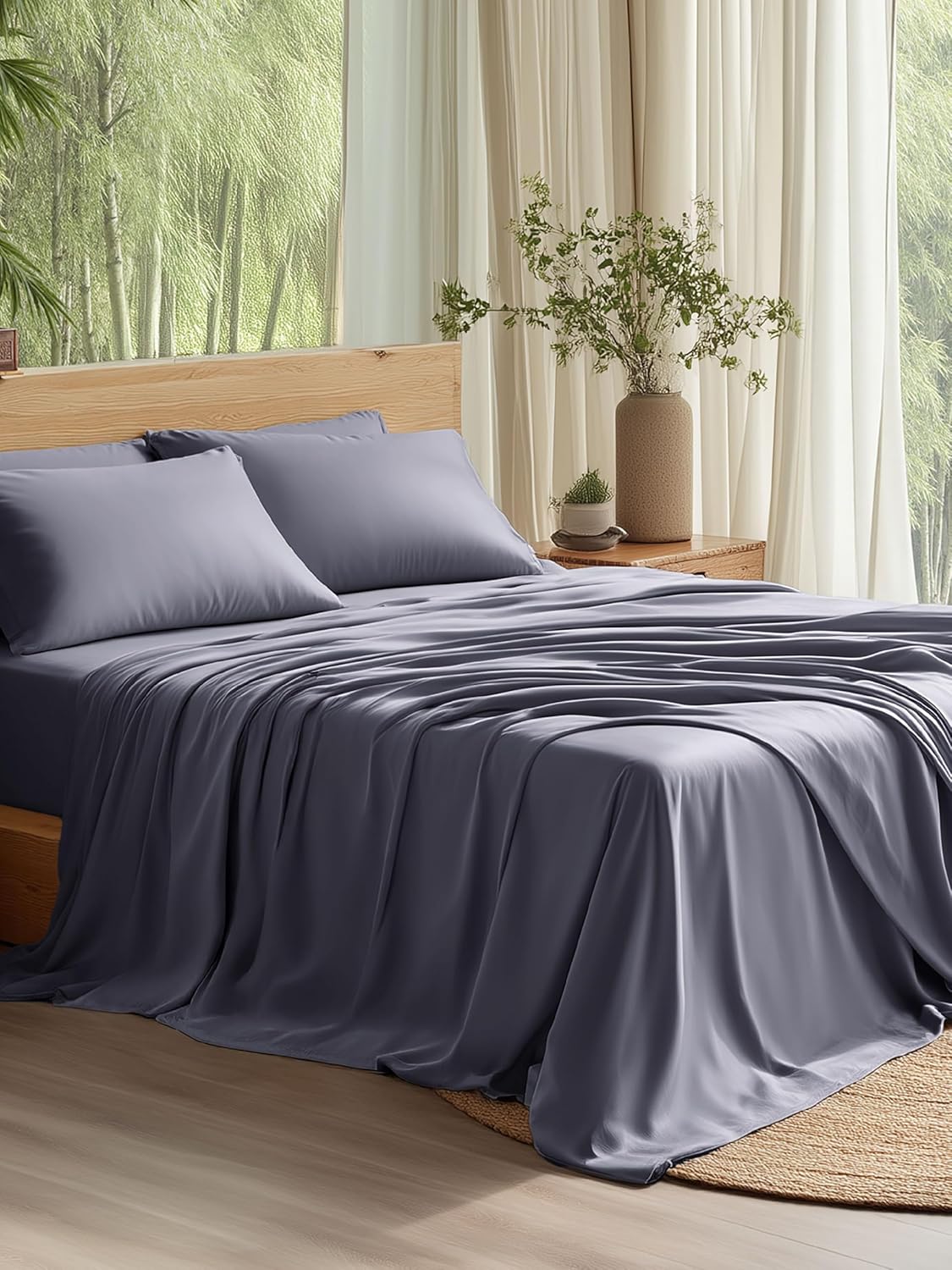
- Silky bamboo-derived rayon feels gloriously cool the second your overheated legs hit the bed
- Delivers that luxe, slippery-soft feeling without requiring a small financial crisis
- Deep 16-inch pockets help prevent the fitted sheet from pinging off during midnight hot-flash gymnastics
This is an affiliate link. As an Amazon Associate, I earn from qualifying purchases.
Explore all my top picks in the guide: Best Cooling Sheets on Amazon for Hot Sleepers.
Replace a Heavy Comforter
A heavy, all-season duvet is one of the most common causes of middle-of-the-night overheating. If you are sleeping under a traditional thick comforter, every hot flash gets trapped directly over your body.
When shopping for cooling products for hot flashes, look for:
- Lightweight fill (down alternative or low fill-power natural down)
- Lower loft that sits lightly without pressing down on you
- Breathable shell fabric (100% cotton percale or lyocell)
- Machine-washable construction for easy, frequent cleaning
- Warm-weather rather than all-season weight
- Separate comforters when partners have different temperature preferences
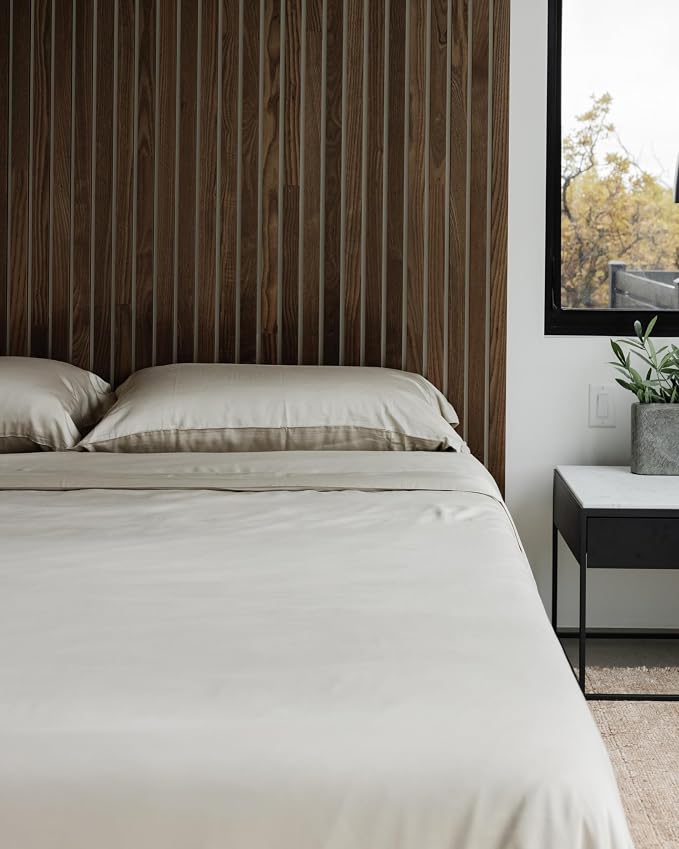
- Silky bamboo fabric makes climbing into bed feel like a genuinely luxurious event
- Delivers a substantial, soothing weight while allowing heat and humidity to escape
- Keeps your sleep environment balanced without relying on slippery, synthetic cooling fabric
This is an affiliate link. As an Amazon Associate, I earn from qualifying purchases.
Read my full guide: Best Cooling Comforters for Hot Sleepers.
Protect the Mattress Without Trapping More Heat
When heavy perspiration occurs regularly, mattress protection is useful to prevent sweat from reaching and staining the mattress core. However, traditional mattress pads are notorious heat traps because they use thick, non-breathable vinyl backings.
Look for:
- Thin construction that doesn’t add extra padding or bulk
- Washable materials
- Quiet waterproof membrane (whisper-quiet polyurethane rather than heavy vinyl)
- Breathable top fabric (like jersey cotton or lyocell)
- Minimal extra padding
- Correct pocket depth for a snug fit
Try this ultra-thin cotton terry protector that shields your mattress without adding a thick, insulating layer beneath your sheets.
Address a Heat-Retaining Mattress
How do you identify if your mattress is trapping heat?
- Heat is concentrated underneath the torso and hips.
- The bed feels warmer the longer you lie in it.
- Changing the top bedding has not solved the problem.
- Dense memory foam seems to hold warmth and hug your body closely.
Possible upgrades to make a heat-retaining mattress sleep cooler:
- Ventilated latex topper: Naturally open-cell and springy, allowing air to circulate.
- Wool topper: Nature’s original temperature regulator, providing moisture management and breathability.
- Open-cell foam topper: Formulated with gel or graphite to pull surface warmth away.
- Phase-change cover: Engineered to absorb excess surface heat when temperature spikes.
- Active cooling system: Necessary when passive materials are insufficient to handle the heat.
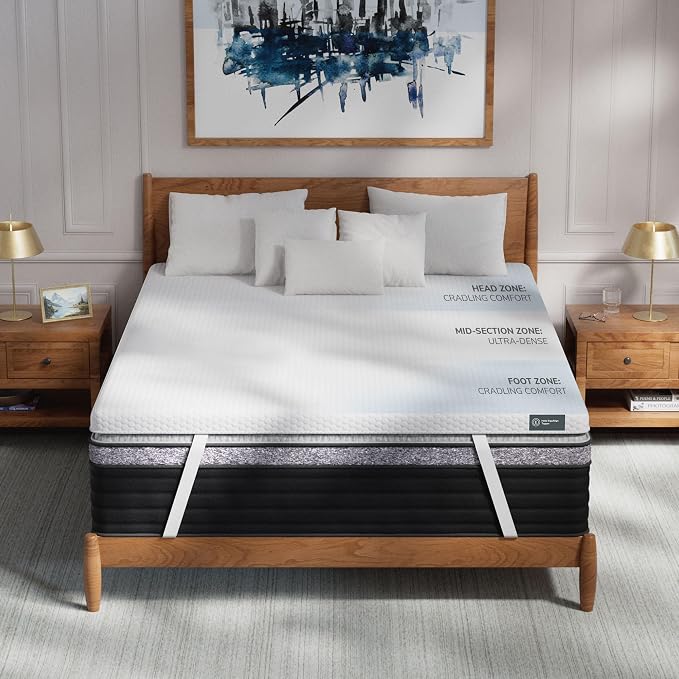
- The GlacioTex cover feels genuinely cool the second your skin touches it.
- Foam and microcoils create that plush, expensive hotel-bed feeling.
- Phase-change technology keeps managing heat while you sleep.
This is an affiliate link. As an Amazon Associate, I earn from qualifying purchases.
Read my full guide: Best Cooling Mattress Toppers for Hot Sleepers.
Use a More Breathable Pillow
Your head and neck host a high concentration of sweat glands, making your pillow choice critical when navigating perimenopause night sweats.
Discussing key features to look for:
- Ventilated fill (shredded foam, latex, or breathable microfibers)
- Adjustable loft to customize support and maximize internal airflow
- Removable washable cover
- Moisture-managing pillowcase
- Keeping a spare pillowcase beside the bed for quick midnight swaps
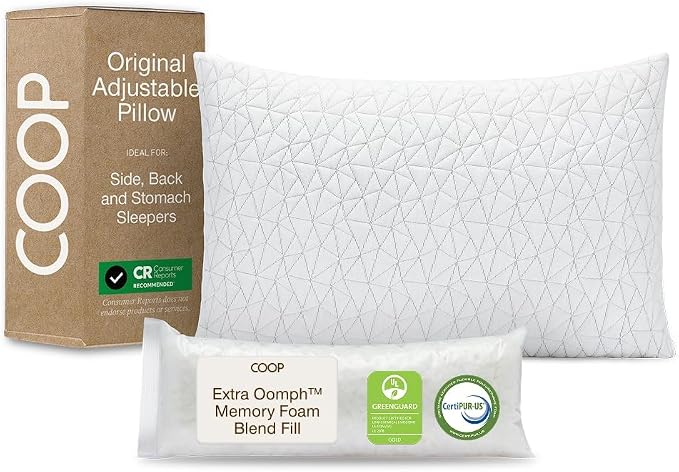
- Customize the loft until it feels like this pillow was made specifically for your neck
- Gel-infused shredded foam and a phase-change cover help stop that miserable overnight heat buildup
- Plush enough for comfort, supportive enough for proper alignment, and versatile enough for almost every sleep style
This is an affiliate link. As an Amazon Associate, I earn from qualifying purchases.
I do a deep-dive in my post: Best Cooling Pillows for Hot Sleepers.
Consider Active Bed Cooling
When passive materials (like cotton sheets or gel toppers) aren’t enough, active cooling systems offer a high-powered comfort solution.
- Passive Cooling: Uses breathable construction, moisture management, or a cool-feeling surface to handle heat naturally.
- Active Cooling: Continually circulates air or temperature-controlled water through or across the bed via motorized units.
Active cooling may be appropriate when:
- The entire mattress remains hot throughout the night.
- Ordinary cooling bedding has not helped enough.
- Night sweats repeatedly soak the bed and sheets.
- One partner needs a cooler sleep surface than the other.
- The bedroom cannot be cooled adequately with fans or AC.
- The reader wants adjustable temperature control with exact thermal schedules.
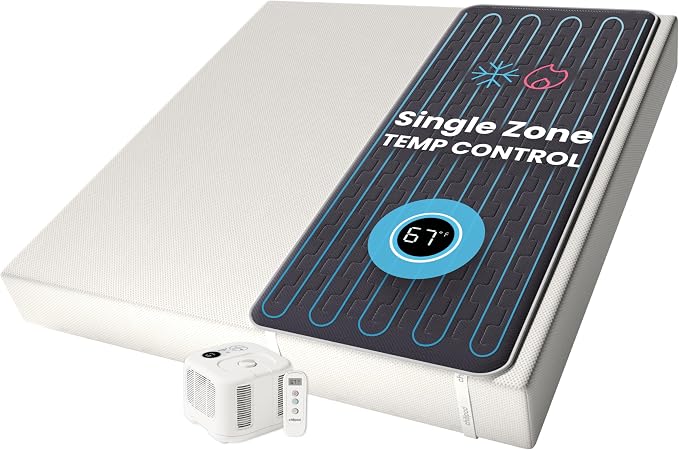
- Circulates temperature-controlled water through a cushioned mattress pad
- Maintains consistent, precise cooling throughout the entire night
- Provides advanced temperature control without requiring a monthly subscription
This is an affiliate link. As an Amazon Associate, I earn from qualifying purchases.
Note: An active bed-cooling system is a powered comfort product designed to keep your sleep surface cool. It does not treat, cure, or manage the underlying biological cause of menopause or hot flashes.
Read my full comparison: Best Bed-Cooling Systems for Hot Sleepers.
Use Separate Bedding When Your Partner Sleeps Cold
Sleeping next to someone who prefers a heavy duvet while you are overheating can be challenging.
Hot Sleeper + Cold Sleeper? Try the Two-Comforter Setup
During our ten years in London, Barry and I adopted the famous Scandinavian Method—and it completely transformed our nights:
- Separate twin-size comforters: Place two separate twin comforters on one king or queen bed.
- Lightweight bedding on the hot sleeper’s side: Outfitted with a thin, breathable sheet and light blanket.
- A warmer blanket only on the colder partner’s side: Letting them stay snug without suffocating you in down downy warmth.
- One-sided or dual-zone bed cooling: Allows you to chill your half of the mattress without freezing your partner out.
- Separate top sheets when practical: Preventing tug-of-war while letting both sleepers regulate their micro-climate.
Prepare a Middle-of-the-Night Reset Kit
When a severe night sweat wakes you up, fumbling around in the dark for clean sleepwear elevates your heart rate and keeps you awake longer. Keep a small, practical setup nearby in a nightstand basket:
- Fresh, dry pillowcase
- Dry, breathable sleepwear
- Lightweight replacement top sheet
- Insulated tumbler of cold water
- Small battery-powered or nightstand fan
- Small hand towel to wipe down skin
- Easy-to-remove bedding layer within arm’s reach
Having these items close by lets you handle a night sweat in under a minute so you can drift back to sleep quickly (and hopefully before you wake up a blissfully oblivious husband!).
How to Stop Night Sweats from Menopause When Cooling Bedding Isn’t Enough
While fluctuating hormones drive night sweats during menopause, everyday lifestyle factors can act like gasoline on a spark, aggravating symptoms and triggering more frequent nighttime awakenings.
To spot your personal patterns, keep a simple symptom log on your nightstand to track:
- Time and severity of each episode
- Bedroom temperature when you went to bed
- Alcohol consumption (especially near bedtime)
- Caffeine intake later in the day
- Spicy food eaten late in the evening
- Stress levels before sleep
- Bedding and sleepwear used
- Menstrual-cycle changes (if in perimenopause)
- Medication changes or new supplements
A quick reality check: Avoiding personal triggers can lower your body’s baseline heat and make nights far more manageable, but eliminating a single food will not “cure” menopausal hot flashes. Lifestyle tweaks work best alongside smart cooling bedding and medical guidance.
Build a Cooling Setup for Your Budget
Upgrading your sleep surface doesn’t require replacing everything at once. Build a cooling setup tailored to your budget:
Affordable Setup ($)
- Breathable cotton percale or bamboo sheets
- Lightweight comforter or blanket
- Bedroom fan
- Spare cooling pillowcase
Mid-Range Setup ($$)
- Cooling mattress topper (gel or open-cell foam)
- Breathable sheets
- Lightweight washable comforter
- Cooling pillow
Strongest Comfort Setup ($$$$)
- Active bed-cooling system (with dual-zone controls)
- Lightweight, high-breathability bedding
- Dual-zone temperature control when needed
NOTE: A cooler sleep environment can make an episode easier to manage, but frequent menopause night sweats may require treatment of the symptom itself—not another set of sheets. When lifestyle modifications and cooling sheets fall short, medical treatment options are worth discussing.
FAQs
Are night sweats normal during perimenopause?
Yes. Changing estrogen levels during perimenopause frequently trigger vasomotor symptoms, including nighttime hot flashes and sweats.
What is the difference between a hot flash and a night sweat?
A hot flash is a sudden surge of heat affecting the face and upper body while awake. A night sweat is a hot flash occurring during sleep, leaving skin and sheets damp.
How can I keep my bed cooler during menopause?
Lower the thermostat (60°F–67°F), run a fan, switch to breathable natural sheets (like bamboo or cotton percale), use a lightweight comforter, and consider a cooling topper.
What sheets are best for menopause night sweats?
Lightweight cotton percale, natural linen, lyocell, and bamboo-derived rayon are best because they promote airflow and dry quickly without sticking to damp skin.
What comforter is best for hot flashes?
A low-loft, lightweight comforter featuring a 100% natural cotton or lyocell shell designed specifically for warm-weather sleep.
Can memory foam make night sweats feel worse?
Yes. Dense traditional memory foam contours tightly around your body and can hold heat against you unless constructed with open cells, gel channels, or active cooling technology.
Do cooling mattress toppers work?
Passive toppers (latex, wool, gel-infused foam) help prevent heat from building up under your body. For severe sweating, active water-cooled toppers offer far stronger temperature relief.
Is a bed-cooling system worth it for menopause?
If severe night sweats continually disrupt your sleep despite changing bedding and lowering room temperatures, an active bed-cooling system can be a worthwhile comfort investment.
Can changing my diet stop night sweats?
Avoiding triggers like late-night alcohol, caffeine, and spicy foods may lessen symptom severity, but diet changes alone rarely eliminate hormonal night sweats completely.
Should I talk to my doctor about menopause night sweats?
Yes. If night sweats impact your sleep quality, daily functioning, or energy, a healthcare provider can help assess symptoms and outline medical treatment options.
What treatments are available when lifestyle changes are not enough?
Evidence-based choices include systemic hormone therapy (estrogen/progestin) and FDA-approved nonhormonal prescription medications like fezolinetant or low-dose paroxetine.
How can couples sleep comfortably when one partner has hot flashes?
Try the Scandinavian two-comforter method, or use a dual-zone bed-cooling system that cools one half of the mattress while leaving the other warm.
Final Recommendation
If you are evaluating how to stop menopause night sweats from wrecking your sleep, here are three distinct paths forward:
- Best First Comfort Change: Breathable sheets plus a lightweight comforter.
- Best Mattress Upgrade: A breathable cooling topper.
- Best Powerful Comfort Solution: An active bed-cooling system combined with lightweight, washable bedding.
Cooling the bedroom and simplifying the bed may make menopause night sweats easier to manage. But when symptoms keep interrupting your sleep, speak with a healthcare professional about treating the night sweats themselves rather than continuing to purchase more “cooling” bedding.