
How to Make a Memory Foam Mattress Cooler
This post may contain affiliate links, which means I may earn a small commission if you make a purchase through these links — at no extra cost to you. Thank you for supporting the content I create here on the blog! You can read my full Disclosure Policy for more details.
If you have ever woken up in the middle of the night feeling like you are slowly baking inside a human-shaped mold of molten lava, welcome to the club. You kick off the covers, flip your pillow four times, and stare at the ceiling wondering how to make a memory foam mattress cooler without throwing away a $1,000 bed that actually supports your back.
Let’s get a little personal for a moment. I am currently navigating the glorious, unpredictable phase of life known as pre-menopause. That means my internal thermostat is essentially broken. Even before this, I spent a full 10 years living in London in a top-floor Victorian flat with absolute zero air conditioning, so I know a little something about how to sleep cooler!
Sleeping on a dense memory foam bed during those rare but excruciating UK heatwaves—was an exercise in pure survival. I dealt with full-blown memory foam mattress night sweats.
Through endless trial, error, and middle-of-the-night research, I learned exactly how to cool down a memory foam mattress and turn an oven back into a sanctuary.
If your memory foam mattress is too hot, you don’t necessarily need to replace it. Here is the ultimate, step-by-step guide on how to stop memory foam from getting hot so you can finally get a restful, sweat-free night of sleep and lower that core body temperature!
(Spoiler alert: If you want to skip straight to the holy grail product that survived my London heatwaves, jump straight to my absolute favorite active bed-cooling system here).
To make a memory foam mattress sleep cooler, remove heat-trapping synthetic layers, switch to breathable natural-fiber sheets, improve airflow around the bed base, and add a temperature-regulating topper or an active air/water bed-cooling system when the polyurethane foam core itself continues retaining heat.
Why Memory Foam Mattresses Sleep Hot
Before you start ripping your bedding apart, it helps to understand why memory foam sleeps hot in the first place. Memory foam isn’t inherently evil—it’s just a victim of its own chemistry and poor thermoregulation.
- Deep Contouring Blocks Air Circulation: Traditional spring mattresses allow air to pass beneath and around your body. Memory foam (polyurethane foam) wraps around you like a warm hug, leaving very little open surface area for air to circulate across your skin.
- High Density Retains Heat: Dense, high-quality foam has a closed-cell structure. It acts like an insulator (think of a foam coffee cup), absorbing your body heat throughout the night to soften, and then holding onto it.
- The Layering Cascade: Many people unknowingly compound the problem by adding waterproof protectors made of non-breathable plastic membranes, thick polyester mattress pads, and plush, synthetic comforters.
Note: Construction varies significantly! Not all memory foam beds sleep identically. Newer open-cell foams, gel infusions, and hybrid builds with coils sleep noticeably cooler than older, dense traditional memory foam.
Identify What Is Actually Trapping the Heat
Before pulling out your credit card, you need to diagnose the actual source of the heat. Is the foam itself creating a furnace, or are your bedding accessories suffocating the bed?
Run through this quick mid-night diagnostic checklist:
- When you roll over, does the spot you just left feel like a hot pan? (Point for: Mattress foam core issue)
- Are your sheets slick, fuzzy, or synthetic? (Point for: Sheet material issue)
- Do you have a heavy waterproof cover beneath your sheets? (Point for: Protector issue)
- Is your comforter fluffy, thick, or stuffed with down-alternative polyester? (Point for: Bedding issue)
- Is the room air stagnant, humid, or warmer than 68°F? (Point for: Ambient bedroom issue)
Heat Source Troubleshooting Guide:
| Where the Heat Is Originating | Primary Symptom | Best First Fix |
| Mattress Surface | Dense foam holds heat under hips & back | Breathable Cooling Topper |
| Waterproof Protector | Sweating directly where skin touches bed | Moisture-wicking Tencel/Bamboo protector |
| Sheets | Bed feels slick, sticky, or trap heat on top | Percale cotton or Lyocell sheets |
| Comforter/Duvet | Trap heat over your entire upper body | Lightweight, low-loft down alternative |
| Pillows | Neck and head overheat instantly | Ventilated memory foam or latex pillow |
| Entire Mattress Core | Mattress remains hot hours after getting up | Active Bed-Cooling System |
| Bedroom Environment | Air feels thick, warm, and motionless | Cross-ventilation fan setup |
Remove Unnecessary Heat-Trapping Layers
When trying to figure out how to sleep cooler on memory foam, your first instinct might be to buy more things. But sometimes, the fastest relief comes from subtraction. Good sleep hygiene starts with a breathable environment.
Every single layer you stack on top of your bed acts as a thermal blanket. If you have a mattress, a thick quilted mattress pad, a waterproof vinyl-backed protector, microfiber sheets, and a heavy poly-fill comforter, you have essentially created a thermal insulated sandwich with your body as the warm filling!
Strip It Down: Start by stripping your bed down to the bare mattress. Remove extra mattress toppers, thick pads, decorative fleece throws, and heavy blankets. Try sleeping for two nights with just a breathable fitted sheet and a simple lightweight top layer to see if your mattress was actually the main offender.
Switch to More Breathable Sheets
Your sheets are the only thing standing directly between your skin and the mattress. Avoid microfiber and polyester at all costs. Microfiber is spun plastic; it holds moisture against your skin and completely blocks air transmission.
Cooling Weaves & Materials:
- Cotton Percale: Look for 100% long-staple cotton in a percale weave (one thread over, one thread under). Percale is airy, crisp, and allows heat to pass right through.
- Linen: Derived from flax, linen has naturally large fibers and a loose weave, making it highly breathable.
- Tencel / Lyocell: Derived from sustainably sourced wood pulp, Tencel is exceptionally smooth, feels cool to the touch, and wicks moisture incredibly well.
- Bamboo-Derived Viscose: Soft as silk, bamboo sheets excel at temperature regulation and are a savior for anyone dealing with memory foam mattress night sweats.
Need help picking the perfect weave? If you’re overwhelmed by thread counts and fabric types, I’ve done the heavy lifting for you. Check out my full deep-dive guide on the Best Cooling Sheets on Amazon for Hot Sleepers, to see which ones actually survive a sweat-free night.
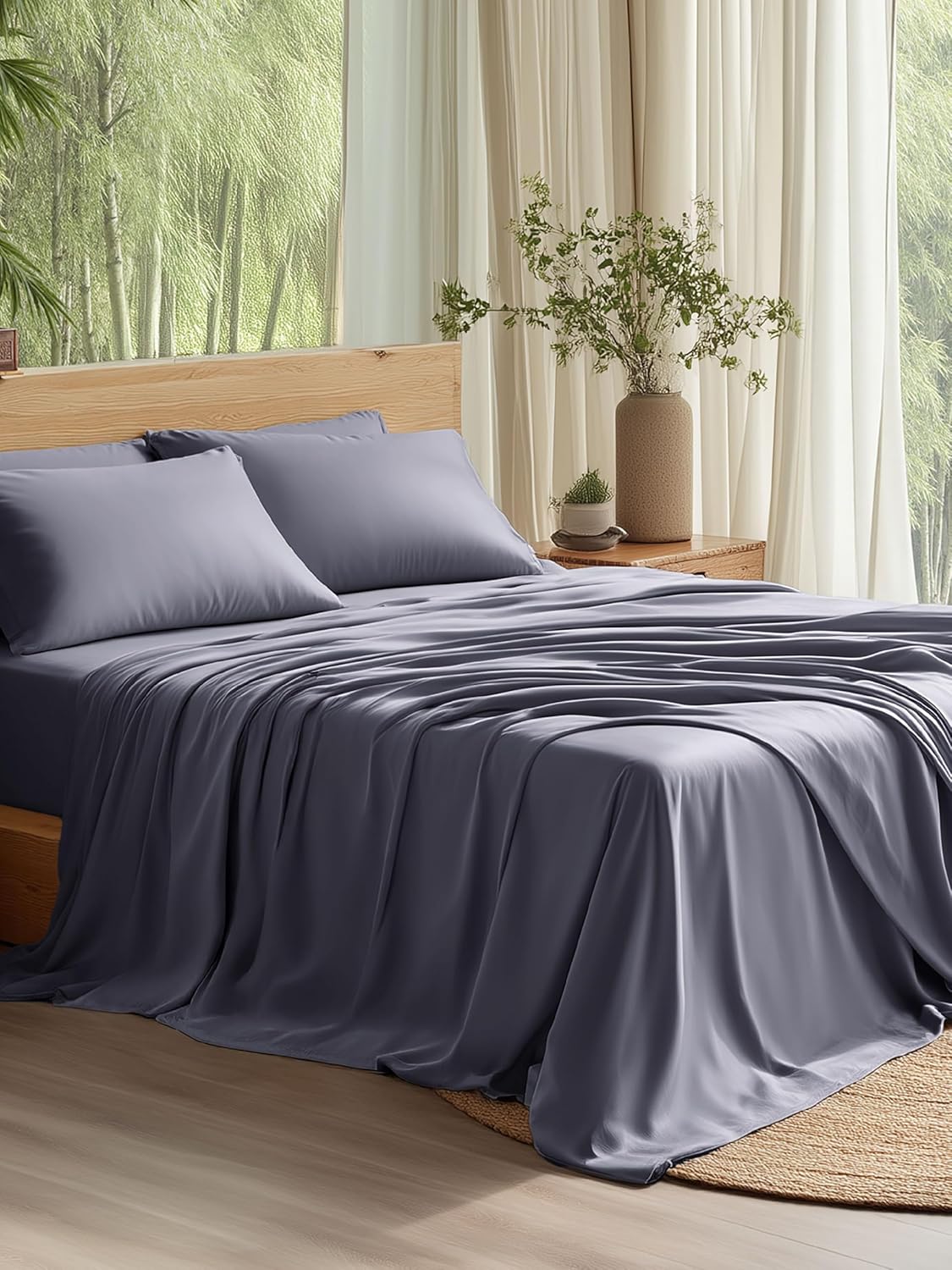
- Silky bamboo-derived rayon feels gloriously cool the second your overheated legs hit the bed
- Delivers that luxe, slippery-soft feeling without requiring a small financial crisis
- Deep 16-inch pockets help prevent the fitted sheet from pinging off during midnight hot-flash gymnastics
This is an affiliate link. As an Amazon Associate, I earn from qualifying purchases.
Replace the Heavy Comforter
You can optimize the mattress all day, but if you are covering yourself with a thick, heavy duvet, heat has nowhere to go. It rises from your body, hits the comforter, and reflects right back down into the memory foam.
When picking a comforter for a hot bed:
- Lower the Loft: Choose a light-to-medium loft comforter. Big, fluffy cloud-like comforters act as heavy insulation.
- Ditch Synthetic Fill: Polyester fill traps heat like plastic insulation. Opt for lightweight natural down, silk-fill, wool-fill, or eucalyptus fibers.
- Breathable Shell: Ensure the outer fabric of the comforter is 100% percale cotton or bamboo.
Ready to swap out your winter weight duvet? Finding a blanket that feels cozy without acting like a slow cooker can be tricky. Read my complete breakdown of the Best Cooling Comforters for Hot Sleepers to discover lightweight fills that won’t trap heat over your upper body.
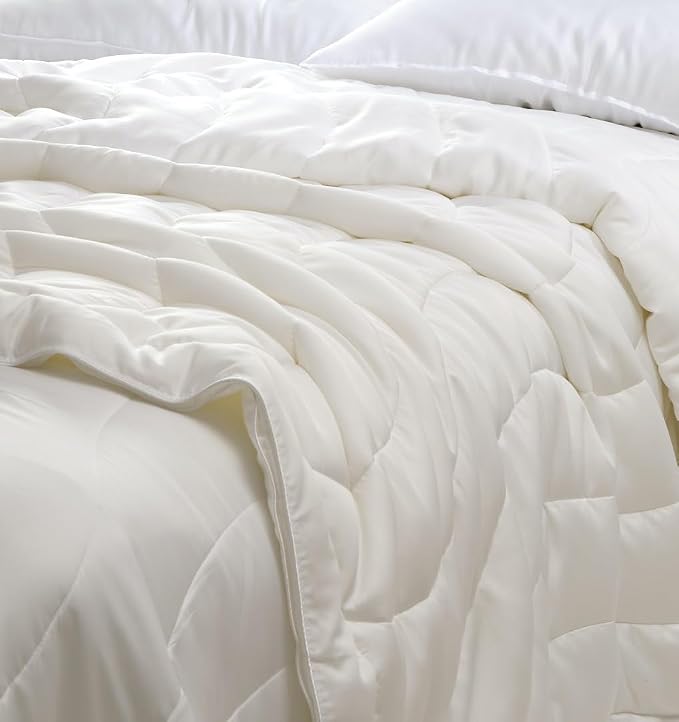
- Made entirely from breathable eucalyptus Tencel—no sweaty polyester hiding inside
- Drapes over your body like a luxurious hotel sheet rather than a bulky winter duvet
- Wicks moisture away quickly so you stay dry when your internal thermostat goes rogue
This is an affiliate link. As an Amazon Associate, I earn from qualifying purchases.
Add a Cooling Mattress Topper
If you’ve optimized your sheets and blankets, but you can still feel that dense foam baking underneath you, it is time to invest in a cooling topper for memory foam mattress. A topper puts a functional, breathable buffer zone between your body and the heat-trapping mattress core, allowing heat to diffuse before it reaches the foam.
Topper Materials Ranked for Cooling:
- Natural Latex (Best Overall): Latex is naturally open-celled, bouncy, and doesn’t require body heat to contour.
- Wool Toppers: Wool is nature’s smart fabric. It actively pulls heat and moisture away in summer.
- Ventilated Open-Cell Foam: Foam toppers with physical pin-hole ventilation encourage vertical airflow.
- Gel/Copper-Infused Foam: Conductive materials help absorb and dissipate initial surface heat.
- Phase-Change Material (PCM) Covers: High-tech fabrics woven with PCM absorb thermal energy and remain cool to the touch.
Not sure whether latex, copper, or gel is right for you? A topper is a big investment, and picking the wrong material can actually make your bed hotter. Head over to my buyer’s guide for the Best Cooling Mattress Toppers for Hot Sleepers, where I break down thickness, density, and physical feel for every type of sleeper.
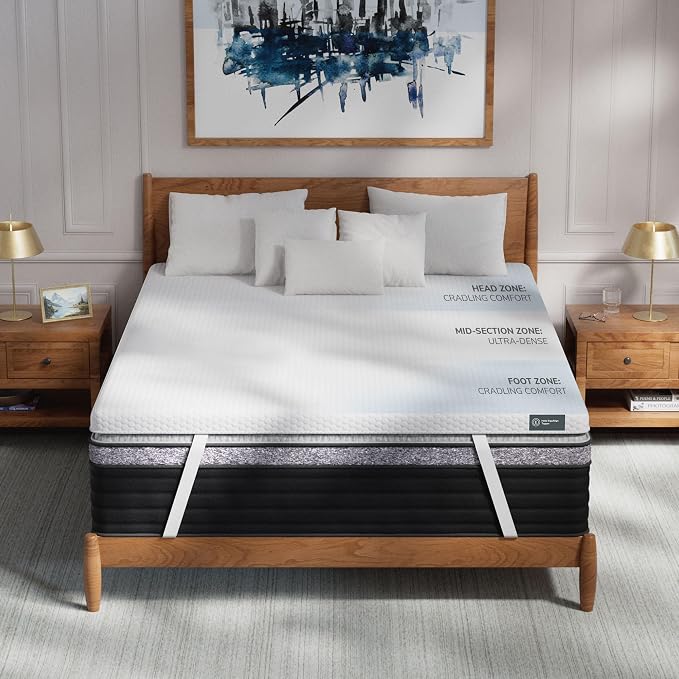
- The GlacioTex cover feels genuinely cool the second your skin touches it.
- Foam and microcoils create that plush, expensive hotel-bed feeling.
- Phase-change technology keeps managing heat while you sleep.
This is an affiliate link. As an Amazon Associate, I earn from qualifying purchases.
Check the Mattress Protector
Many people ruin a great cooling mattress by putting a cheap, rubbery mattress protector over it. Traditional waterproof protectors use thick PVC or vinyl backings. They trap air like a plastic bag, rendering all your breathable sheets useless!
If you need waterproofing, look for:
- Ultra-thin polyurethane membranes (TPU): They block liquids while allowing microscopic air vapor to escape.
- Natural surface fabrics: Bamboo, Tencel, or organic cotton tops.
- Quiet, silent designs: Avoid anything that crinkles.
Product Tip: Look for thin, hotel-grade protectors like the SafeRest Premium Hypoallergenic Protector on Amazon. It uses an ultra-thin TPU layer that shields the foam without acting like a hot air balloon.
Improve Airflow Around and Underneath the Bed
Heat dissipates best when air is flowing freely around every side of your bed.
- Get It Off the Floor: Never put a memory foam mattress directly on the floor. Moisture and heat get trapped beneath it.
- Use a Slatted Base: Ensure your bed frame uses wooden slats with 2-3 inch gaps. This allows heat to escape out the bottom of the mattress core.
- Clear Out Under-Bed Storage: Jamming plastic tubs under your bed blocks airflow under the mattress. Leave a couple of inches of clearance.
- Position Your Bedside Fan Strategically: Point a quiet room fan across the bed at mattress height, rather than blowing straight down from above, to sweep heat away from the surface.
Use an Active Bed-Cooling System
Now let’s talk about the big guns. If you are dealing with severe hormonal hot flashes, live in a hot climate without central air, or suffer from intense memory foam mattress night sweats, passive cooling fabrics might not cut it. You need active cooling.
- Passive Cooling (Sheets, Toppers, Gel): Helps heat dissipate naturally. Works great for mild to moderate hot sleepers.
- Active Cooling (Powered Units): Uses electricity to actively pump chilled water or continuous streams of cooled air through or under your bedding.
Ready to bring out the big guns against night sweats? If passive fabrics just aren’t cutting it and you want full temperature control at the touch of a button, read my complete comparison of the Best Bed-Cooling Systems for Hot Sleepers to see how air-based vs. water-based systems stack up.
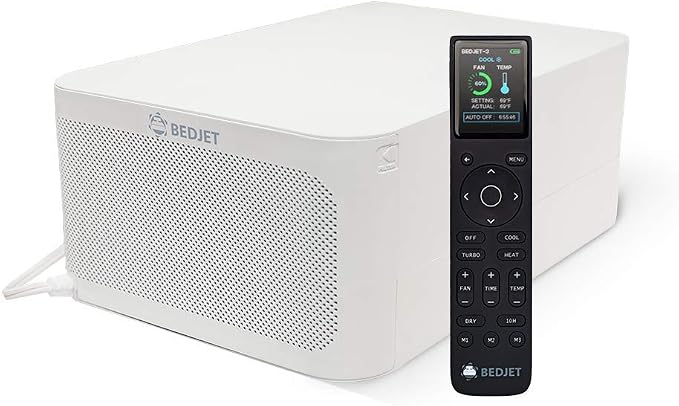
- Uses powerful forced-air technology to cool or warm the bed within minutes
- Offers separate temperature control for each side, making it ideal for couples
- Requires no water refills or routine cleaning, thanks to its low-maintenance design
This is an affiliate link. As an Amazon Associate, I earn from qualifying purchases.
The Scandinavian Sleep Hack (For Couples Who Can’t Agree)
If you sleep with a partner whose internal thermostat doesn’t match yours, attempting to compromise on bedding usually leaves one person miserable. Barry is basically a human radiator who insists on using a heavy winter duvet in July. The “Scandinavian Sleep Hack” saved us from a nightly tug-of-war.
How it works:
- Use one shared fitted sheet across the mattress.
- Ditch the top sheet entirely.
- Use two separate twin-sized comforters or duvets side-by-side.
This allows you to cover yourself with an ultra-light, breathable cooling layer, while your partner can snuggle under a plush, warm duvet. No more trapping your partner’s body heat on your side of the bed!
Try the Changes in the Right Order
You don’t need to spend thousands of dollars all at once. Follow this logical, budget-friendly roadmap:
Budget Approach ($)
- Remove extra synthetic bedding layers & mattress pads.
- Lower room thermostat to 65–68°F.
- Swap to 100% Cotton Percale or Bamboo sheets.
- Add a cross-ventilation bedside fan.
Mid-Range Approach ($$)
- Add a ventilated Latex or cooling mattress pad for memory foam.
- Replace heavy duvet with a lightweight cooling comforter.
- Switch to a cooling gel/latex pillow.
Advanced Approach ($$$)
- Install an Active Air/Water Bed-Cooling System (like the BedJet).
- Implement separate temperature zones/bedding for couples.
When the Mattress Itself May Need Replacing
Accessories can solve 80% of heat problems, but they cannot fix a mattress that has reached the end of its lifespan. Consider replacing the mattress entirely if:
- Deep Body Impressions: You roll into a permanent “crater” every night, which severely restricts air circulation around your body.
- Age: The bed is over 8–10 years old. Older foam degrades and loses its structural ability to circulate air.
- Structural Support Loss: You wake up with lower back pain or numbness in addition to overheating.
Night Sweats and Medical Considerations
While changing your bedding can dramatically improve your environment, products only cool your skin—they do not treat underlying medical conditions.
If your night sweats are severe, brand-new, or accompanied by symptoms like unexplained weight loss, fever, chills, or localized pain, schedule an evaluation with a healthcare professional. Hormonal changes (like perimenopause!) can be managed with professional medical guidance alongside cooling bedding.
FAQs
Why does memory foam get so hot?
Memory foam relies on body heat and weight to soften and conform to your body shape. Its dense, closed-cell structure traps that absorbed thermal energy and reflects it back toward your body, blocking natural airflow.
Can a cooling topper make memory foam cooler?
Yes! A breathable topper acts as a protective buffer zone between your body and the dense memory foam core, allowing heat and moisture to escape before it absorbs into the bed.
Does gel memory foam actually sleep cooler?
Gel-infused memory foam sleeps cooler initially because the gel particles absorb surface heat. However, once the gel maxes out its heat-absorption capacity and reaches your body temperature, its cooling effect wears off.
Should I use a mattress pad or topper for cooling?
A topper (2–4 inches thick) is far more effective for cooling because it alters the actual support surface and airflow beneath you. A pad is usually thin and quilted, often made with synthetic fill that can actually trap more heat.
Do waterproof mattress protectors make beds hotter?
Traditional plastic or vinyl protectors trap heat and moisture completely. However, modern waterproof protectors made with ultra-thin TPU membranes and natural Tencel/bamboo covers offer protection without sacrificing breathability.
Are bamboo sheets good for memory foam mattresses?
Yes, bamboo sheets are fantastic for memory foam beds. Bamboo fibers are naturally porous, highly moisture-wicking, and feel silky and cool to the touch.
Is latex cooler than memory foam?
Yes, natural latex sleeps significantly cooler than traditional memory foam. Latex has an open-cell structure with built-in ventilation channels, and it does not rely on body heat to contour around your pressure points.
Can a fan cool the mattress?
A room fan cools your skin by evaporating sweat, but it cannot penetrate deep inside a dense memory foam core.
Is an active bed-cooling system worth it?
If you experience intense night sweats, hot flashes, or live in a warm climate, active cooling systems are worth every penny. They actively pump temperature-controlled air or water to remove heat continuously all night long, which is cheaper than buying a brand-new luxury cooling mattress.
Should I replace my mattress if it sleeps hot?
Not immediately! Try stripping extra synthetic layers, upgrading to bamboo/percale sheets, and adding a cooling topper first.
Final Recommendation
If you are struggling with a hot bed tonight, here is your quick action plan based on your budget and needs:
- Best Inexpensive Fix ($): Strip off unnecessary mattress pads, switch to 100% cotton percale or bamboo viscose sheets, and set up a fan for cross-ventilation.
- Best Comfort Upgrade ($$): Add a 3-inch natural latex or copper-infused PCM topper to create a breathable buffer between your body and the foam.
- Best Powerful Solution ($$$): Invest in an active bed-cooling system like the BedJet 3 to continually flush heat away from your sheets automatically.
Start by removing your hottest bedding layer today. When the heat is clearly coming from the memory foam itself, a breathable cooling topper is the most practical upgrade; persistent, intense overheating is best solved with active bed cooling.