
How to Cook Butternut Squash on the Stove
This post may contain affiliate links, which means I may earn a small commission if you make a purchase through these links — at no extra cost to you. Thank you for supporting the content I create here on the blog! You can read my full Disclosure Policy for more details.
In this article
There are certain ingredients that just feel like home—and butternut squash is one of them. It’s the kind of vegetable that instantly signals comfort, warmth, and “I’m taking care of myself today.” And while roasting it in the oven gets all the praise, here’s the truth no one really talks about: cooking butternut squash on the stove is just as delicious, way faster, and honestly… kind of a game-changer for weeknight meals.
Whether you’re adding it to a grain bowl, tossing it with pasta, or eating it straight from the pan (no judgment here), stovetop squash is one of those little kitchen secrets that make eating well feel effortless. Let’s walk through it—slow, simple, cozy. The way good food should be.
What You’ll Need
Before we get into the actual cooking, let’s set the scene. Think of this like your mise en place moment—the part where everything feels calm and organized. You’ll want:
- A sharp knife (your safest option, ironically)
- A vegetable peeler
- A sturdy cutting board
- A large skillet or pot
- A little olive oil or butter
- Your butternut squash
- Salt, pepper, and whatever seasonings make you feel something
Prepping Your Butternut Squash (AKA: The Only Hard Part)
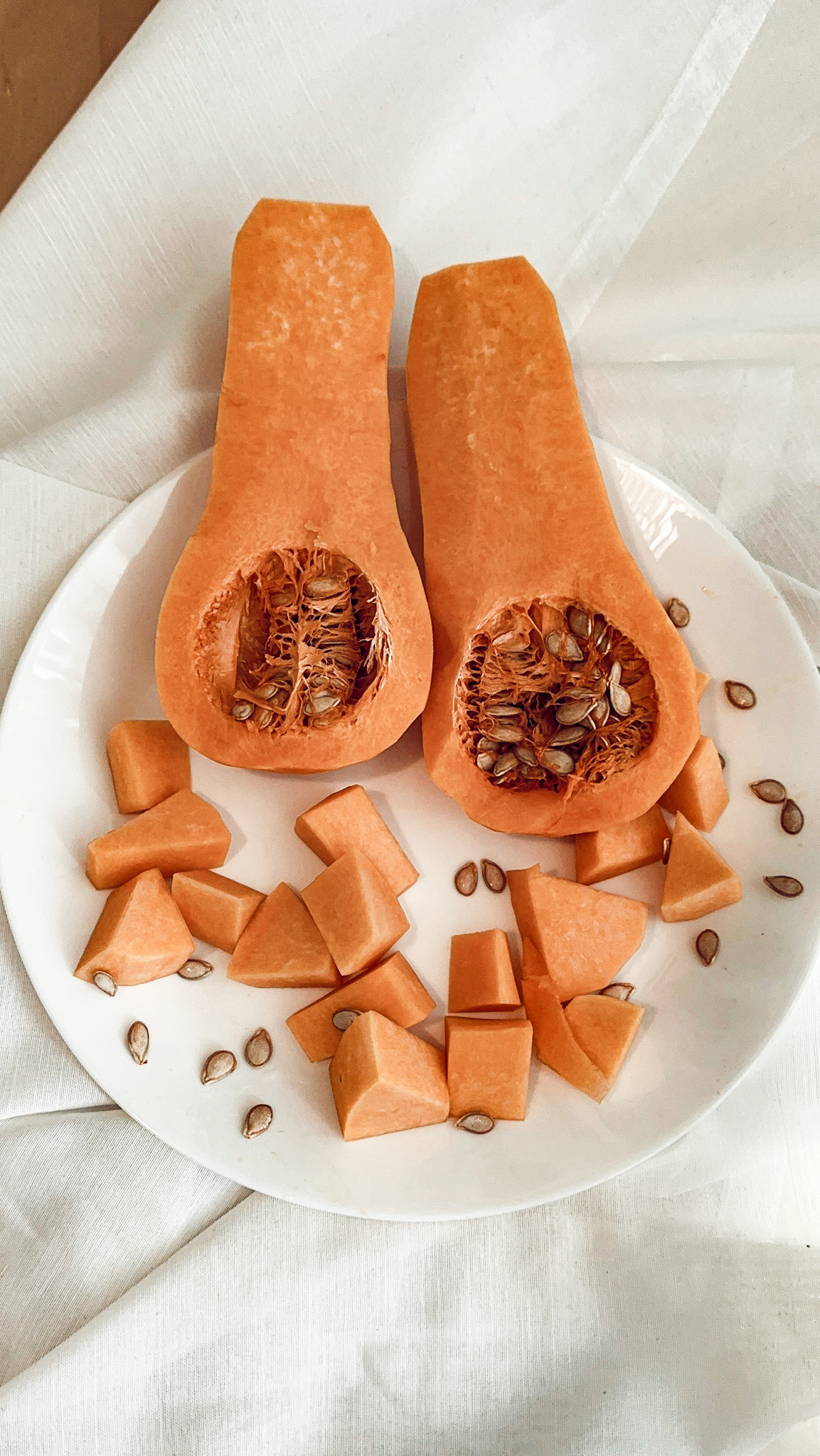
Let’s be honest—cutting butternut squash is everyone’s least favorite part, and understandably so. It’s a workout and a test of patience. But once you learn a rhythm, it’s surprisingly meditative.
Here’s the gentle, fool-proof way:
- Peel the squash. Use a Y-peeler and work top to bottom.
- Slice off both ends. This gives you stability, which is everything.
- Halve it lengthwise. Go slow. No rush.
- Scoop the seeds. Save them if you’re feeling ambitious (roasting them is delightful).
- Cut into cubes. Aim for evenly sized pieces—think ½–¾ inch.
If today is not a day for wrestling with produce (fully valid), buying pre-cut squash is absolutely allowed.
Three Stovetop Methods to Cook Butternut Squash
Stovetop cooking is where squash really shines. It takes on flavor quickly, cooks in a fraction of the time, and adapts to whatever mood you’re in.
1. Sautéing: For Golden, Caramelized Bites
If you love roasted squash but don’t love waiting 40 minutes, this is your method.
How to do it:
- Heat a drizzle of olive oil or a little butter in a skillet.
- Add squash cubes in an even layer—give them space, they’re introverts.
- Season with salt and pepper.
- Cook over medium heat, stirring occasionally, until the edges are browned and the centers are tender.
Cook time: 10–15 minutes
Best for: bowls, salads, quick sides, snacking right out of the pan
2. Steaming: For Soft, Silky Squash
This is the minimalist method—clean, simple, and almost foolproof.
How to do it:
- Add squash to a pot with about ½ cup of water.
- Cover with a lid.
- Steam until the cubes are fork-tender.
Cook time: 7–10 minutes
Best for: mashing, purées, baby food, spoon-over-rice dinners
3. Simmering: For the Soup Lovers
If you’ve been meaning to make a cozy soup but don’t want to roast squash first, this is your shortcut.
How to do it:
- Add squash to a pot and cover with broth or water.
- Bring to a gentle simmer.
- Cook until tender.
Cook time: ~15 minutes
Best for: creamy soups, mashes, stews, anything blended and comforting
How to Know When It’s Done
The most reliable method? The humble fork. If it glides in easily, you’re good. For sautéed squash, golden edges are the sign you’ve hit that perfect caramelization sweet spot.
Flavor Variations (Because Butternut Squash Loves a Good Outfit Change)
Savory & Cozy
- Garlic + rosemary
- Thyme + butter
- Paprika + black pepper
Sweet & Autumnal
- Cinnamon
- Nutmeg
- Maple syrup drizzle
Spicy & Bright
- Chili flakes
- Smoked paprika
- A squeeze of lemon to finish
Herby & Fresh
- Sage
- Parsley
- Basil
What to Do With Your Perfectly Cooked Squash
Once you’ve mastered the stovetop, the options are endless:
- Toss into pasta with parmesan
- Add to grain bowls (farro + kale + squash = chef’s kiss)
- Layer into tacos with black beans
- Purée into a velvety soup
- Serve alongside eggs for a cozy breakfast
- Or keep it simple and enjoy as a warm, nourishing side
A Few Common Mistakes to Avoid
- Uneven cubes = uneven cooking. Try to keep them similar in size.
- Overcrowding the pan. They’ll steam instead of brown—give them space.
- Using too little oil. The squash will stick and burn.
- Stopping too soon. Butternut squash needs time to soften. Let it get tender.
FAQs About How to Cook Butternut Squash on the Stove
Can you cook butternut squash on the stove instead of roasting it?
Yes—you can absolutely cook butternut squash on the stove, and it’s much quicker than roasting. Sautéing, steaming, or simmering will soften the squash in under 15 minutes while still giving it great flavor and texture. It’s a convenient option for weeknights or when you don’t want to heat the oven.
Do you need to peel butternut squash before cooking it on the stove?
For stovetop methods, it’s best to peel butternut squash since the skin stays firm and doesn’t soften enough to eat. A sharp vegetable peeler makes it easy, or you can buy pre-cut squash to save time. Peeling helps the cubes cook evenly and gives a smoother texture.
How long does it take to cook butternut squash on the stove?
Most stovetop methods take between 7 and 15 minutes, depending on the size of the cubes and the cooking method. Steaming is the fastest, sautéing adds caramelization, and simmering is ideal for soups or mashes. The squash is done when it’s fork-tender.
What seasonings go well with stovetop butternut squash?
Butternut squash pairs well with both sweet and savory flavors. Try garlic, rosemary, thyme, paprika, cinnamon, or nutmeg. For a simple option, olive oil, salt, and pepper bring out its natural sweetness. You can easily customize the flavor to match your meal.
Can you freeze cooked butternut squash?
Yes—cooked butternut squash freezes well for up to three months. Let it cool completely, then store it in an airtight container or freezer-safe bag. It reheats easily in a skillet, microwave, or simmered into soups, making it perfect for meal prep.
Why is my butternut squash still hard after cooking?
If your squash is still hard, it likely needs more time or the cubes are too large. Keep cooking until a fork slides in easily, and try cutting your pieces smaller next time. Using a lid during cooking also helps trap steam and soften the squash faster.
Can you cook frozen butternut squash on the stove?
Yes, frozen butternut squash cooks beautifully on the stovetop. Add it straight to the skillet or pot—no thawing needed. Since it releases extra moisture, sautéing may take a few additional minutes, but the texture still turns out tender and flavorful.
Loved this post?

ABOUT THE AUTHOR
Lisa, Slow Living Enthusiast
Hi, I’m Lisa. I write about slow living, nervous system care, and creating calm, intentional routines for everyday life. After spending 10 years living in Europe, I learned firsthand the art of savoring moments, embracing simplicity, and letting life unfold at a more human pace. My mission is to help you soften the edges of modern life and create space for a more intentional way of living.

ABOUT THE AUTHOR
Lisa, Slow Living Enthusiast
Hi, I’m Lisa. I write about slow living, nervous system care, and creating calm, intentional routines for everyday life. After spending 10 years living in Europe, I learned firsthand the art of savoring moments, embracing simplicity, and letting life unfold at a more human pace. My mission is to help you soften the edges of modern life and create space for a more intentional way of living.