
The Best Gingerbread House Icing Without Eggs
This post may contain affiliate links, which means I may earn a small commission if you make a purchase through these links — at no extra cost to you. Thank you for supporting the content I create here on the blog! You can read my full Disclosure Policy for more details.
In this article
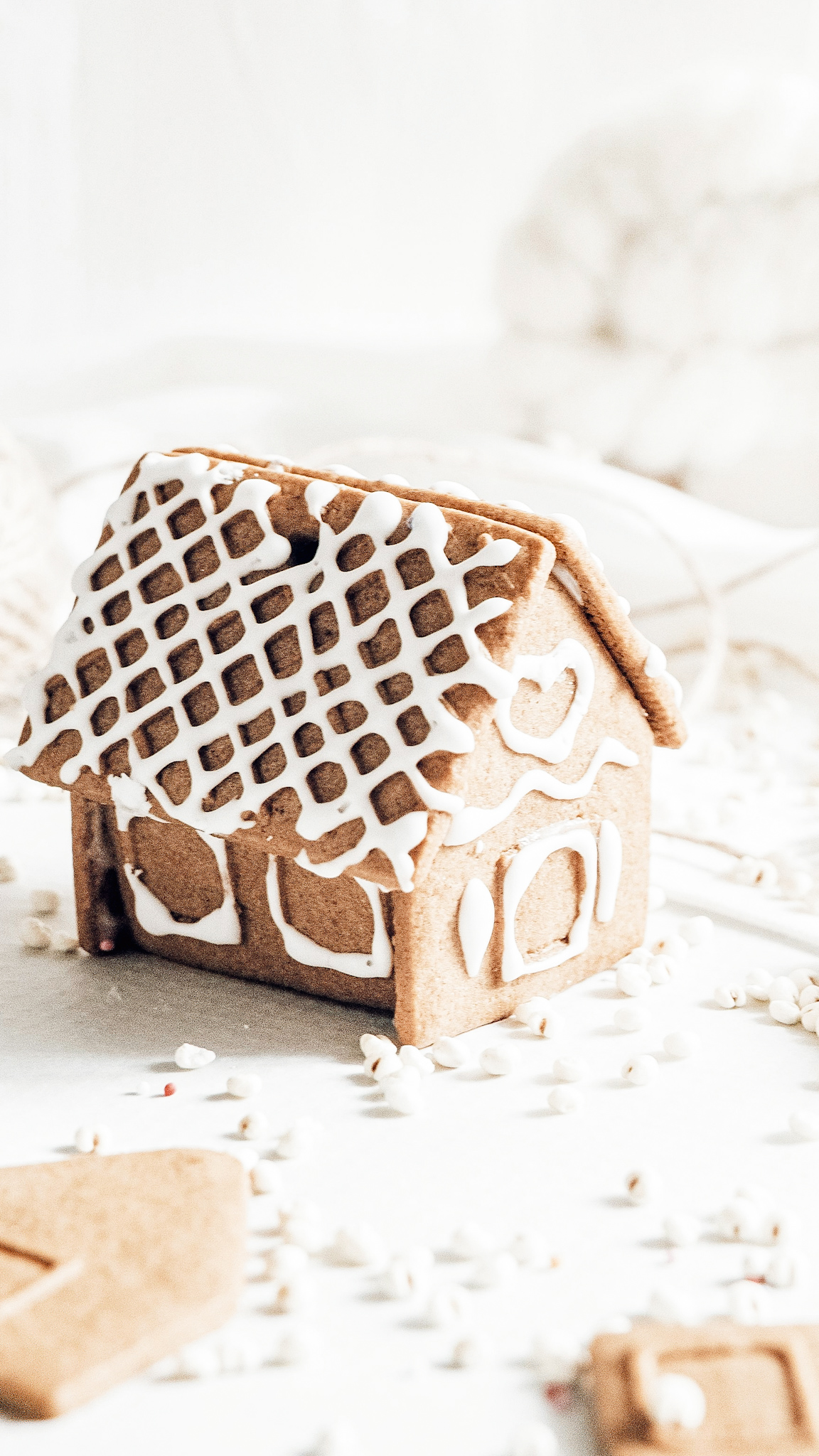
There’s something deeply nostalgic about gingerbread houses.
Maybe it’s the slightly crooked walls, the candy that never quite sticks where you want it to, or the way the kitchen somehow ends up dusted in powdered sugar no matter how careful you are. Gingerbread houses are messy, imperfect, and unapologetically joyful — which is exactly why we love them.
But if you’ve ever paused mid-recipe and thought, “Wait… raw egg whites?” you’re not alone.
Traditional royal icing relies on egg whites to harden, which can feel a little questionable when kids are licking spoons, guests are snacking, or you’re simply trying to keep things a bit more mindful and low-stress during an already busy season.
The good news? You don’t need eggs at all to make a strong, reliable, beautifully smooth gingerbread house icing.
This egg-free version is just as sturdy, easier to work with, and safe for everyone at the table — kids, pregnant guests, and anyone who prefers a more plant-forward approach.
Let’s make decorating feel cozy again.
Why Skip the Eggs?
Egg whites have long been the go-to for royal icing, but they’re not the only way to get that classic hard-drying finish.
An eggless gingerbread house icing offers a few quiet wins:
- No raw egg concerns, which means less second-guessing and more enjoying the process
- Kid-friendly decorating, where tasting the icing isn’t off-limits
- More inclusive for allergies and dietary preferences
- Fewer ingredients, all of which you probably already have on hand
And most importantly? It works. Really well.
This icing dries hard enough to hold walls and roofs in place, while still being easy to pipe and adjust.
The Best Gingerbread House Icing Without Eggs
This recipe is simple, forgiving, and perfect for both building and decorating.
Ingredients
- 3 cups powdered sugar, sifted
- 2 tablespoons light corn syrup (this is the secret to strength)
- 1–2 tablespoons water or plant-based milk
- ½ teaspoon vanilla extract (optional, but lovely)
That’s it. No special equipment, no complicated steps.
How to Make It
Start by sifting your powdered sugar into a medium bowl. This step matters more than it sounds — sifting keeps the icing smooth and prevents clogs if you’re piping.
Add the corn syrup, vanilla (if using), and one tablespoon of liquid. Stir slowly at first, then more vigorously, until the icing comes together.
You’re looking for a thick, glossy consistency — something that holds its shape when you lift the spoon but isn’t so stiff that it’s difficult to spread or pipe.
If it feels too thick, add liquid a few drops at a time. If it’s too runny, sprinkle in more powdered sugar.
This is one of those recipes where intuition matters more than perfection.
The Right Consistency
For gingerbread houses, icing does double duty: it’s both glue and decoration.
For building, the icing should be thick — almost like toothpaste. When you pipe it, it should stay exactly where you put it.
For decorating, you can thin a small portion with a bit more water until it’s softer and easier to work with.
Pro tip: Keep the main batch thick and adjust smaller amounts as needed. It saves time and frustration.
How to Build a Gingerbread House That Actually Stands
If you’ve ever watched a gingerbread wall slowly slide out of place, you know the heartbreak.
A few gentle reminders:
- Work on a flat surface (a cutting board or baking sheet is perfect)
- Pipe icing generously at the seams — this is not the moment to be minimal
- Hold walls in place for about a minute before letting go
- Use mugs, cans, or jars to support walls while they dry
Let the base set for at least 20–30 minutes before adding the roof. Think of it like letting a good foundation settle — patience pays off.
Can You Make This Icing Ahead of Time?
Yes, and it’s a quiet holiday lifesaver.
Store the icing in an airtight container in the fridge for up to 3 days. Press plastic wrap directly onto the surface before sealing to prevent drying.
When you’re ready to use it, let it come to room temperature and give it a good stir. Add a few drops of water if needed to bring it back to life.
Common Icing Issues (And How to Fix Them)
If your icing is:
- Too runny → Add powdered sugar, one tablespoon at a time
- Too stiff → Add water a few drops at a time
- Cracking as it dries → It’s likely too thick; thin slightly for decorating
Remember: gingerbread houses are charming because they’re imperfect.
Easy Variations to Try
Once you’ve mastered the base recipe, you can make it your own:
- Add lemon juice instead of vanilla for a brighter flavor
- Use gel food coloring for festive details
- Swap water for almond or oat milk for a subtle richness
The base is neutral and adaptable — just like the best holiday traditions.
FAQs About Gingerbread House Icing Without Eggs
Can you make gingerbread house icing without eggs?
Yes, gingerbread house icing can be made without eggs using powdered sugar, corn syrup, and water. This egg-free version dries hard like traditional royal icing and is safe for kids and anyone avoiding raw eggs.
Does eggless gingerbread house icing harden?
Eggless gingerbread house icing does harden as it dries. The corn syrup helps the icing set firmly, making it strong enough to hold gingerbread walls and roofs together.
Is egg-free gingerbread house icing safe for kids?
Yes, egg-free gingerbread house icing is safe for kids because it contains no raw egg whites. It’s ideal for decorating with children who may taste the icing while they work.
What can I use instead of egg whites in gingerbread house icing?
Corn syrup is the most common substitute for egg whites in gingerbread house icing. It provides structure and helps the icing dry hard without affecting the flavor.
Can I make gingerbread house icing ahead of time?
You can make gingerbread house icing up to three days in advance. Store it in an airtight container in the refrigerator and stir well before using, adding a few drops of water if needed.
Why is my gingerbread house icing not hardening?
If your gingerbread house icing isn’t hardening, it’s likely too thin or the environment is very humid. Adding more powdered sugar and allowing extra drying time usually fixes the problem.
Can I use this icing for decorating cookies too?
Yes, this eggless icing works well for decorating cookies. For detailed designs, thin the icing slightly so it’s easier to pipe and spread smoothly.
Is gingerbread house icing without eggs vegan?
Gingerbread house icing without eggs can be vegan if you use plant-based ingredients and avoid honey-based syrups. Most light corn syrups are vegan-friendly.
Loved this post?

ABOUT THE AUTHOR
Lisa, Slow Living Enthusiast
Hi, I’m Lisa. I write about slow living, nervous system care, and creating calm, intentional routines for everyday life. After spending 10 years living in Europe, I learned firsthand the art of savoring moments, embracing simplicity, and letting life unfold at a more human pace. My mission is to help you soften the edges of modern life and create space for a more intentional way of living.

ABOUT THE AUTHOR
Lisa, Slow Living Enthusiast
Hi, I’m Lisa. I write about slow living, nervous system care, and creating calm, intentional routines for everyday life. After spending 10 years living in Europe, I learned firsthand the art of savoring moments, embracing simplicity, and letting life unfold at a more human pace. My mission is to help you soften the edges of modern life and create space for a more intentional way of living.