
Dried Orange Garland DIY
This post may contain affiliate links, which means I may earn a small commission if you make a purchase through these links — at no extra cost to you. Thank you for supporting the content I create here on the blog! You can read my full Disclosure Policy for more details.
In this article
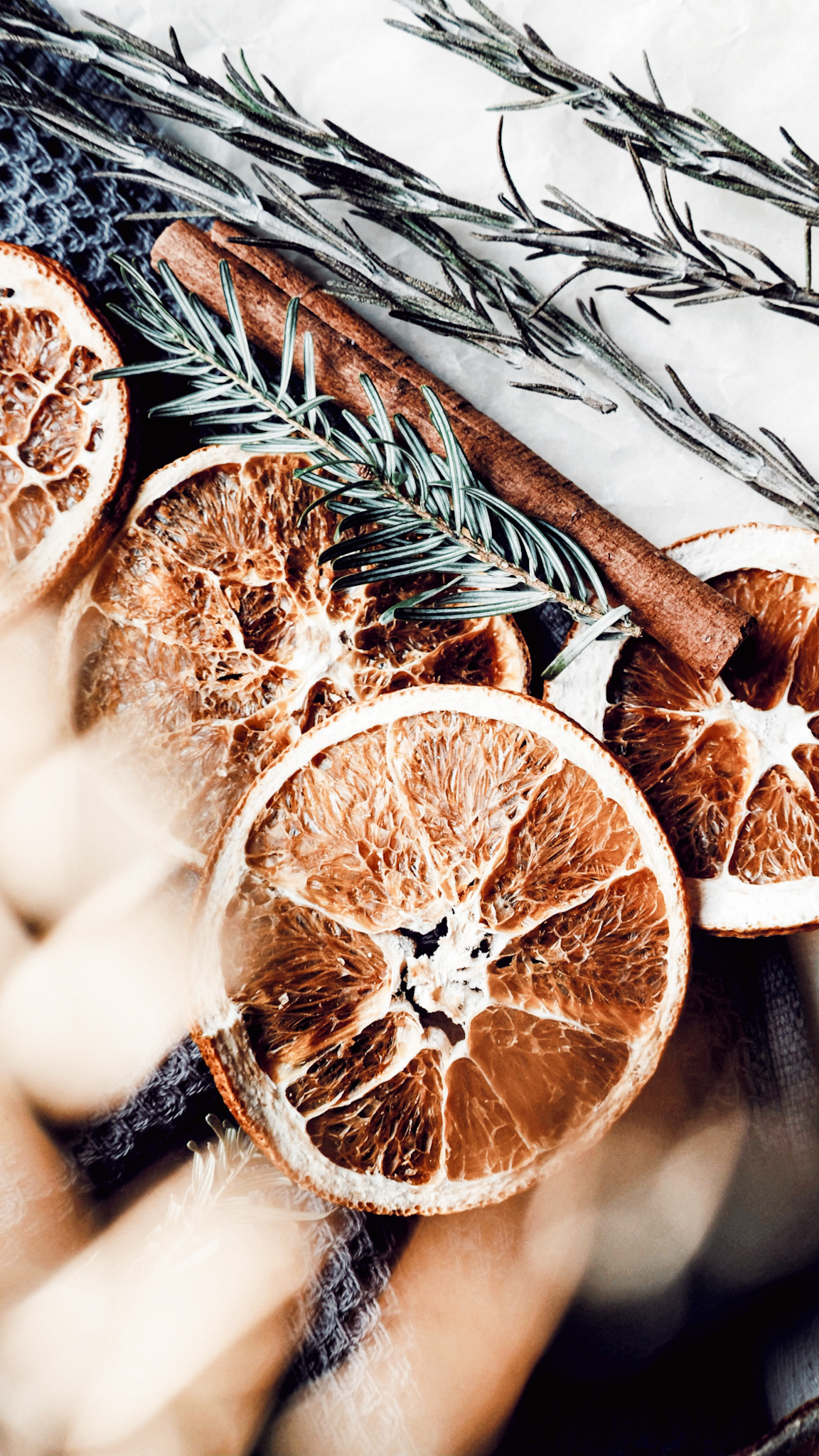
There’s something irresistibly charming about the way a dried orange garland catches the light. Each slice becomes its own little windowpane—translucent, sunlit, and humming with quiet warmth. It’s the sort of craft that feels like a deep breath: simple, intentional, and just nostalgic enough to make you want to put on a kettle and cue up your favorite acoustic playlist.
Whether you’re decorating for the holidays, bringing brightness into a winter-gray living room, or just craving a low-lift project that feels grounding, dried orange garlands offer a kind of magic that artificial decor never quite nails. And the best part? They’re wonderfully beginner-friendly. If you can slice an orange, you can make this.
So let’s gather a few supplies, preheat the oven, and turn our kitchens into fragrant little workshops.
Why Everyone’s Suddenly Making Dried Citrus Garlands
Natural decor is having its moment — and honestly, it’s deserved. As many of us lean into slower living, crafts that use real, tactile materials feel grounding. Dried citrus hits that sweet spot: unfussy, sustainable, and beautiful in a way that doesn’t try too hard.
Plus, dried orange garlands:
- Add a cozy pop of color to neutral spaces
- Bring a soft, festive scent without overpowering
- Transition seamlessly from holiday decor to everyday styling
- Look stunning layered with greenery, beads, or twinkle lights
- Are biodegradable and low-waste (a win for conscious crafters)
They’re mood-lifters disguised as décor — tiny suns strung together.
What You’ll Need (Simple + Affordable)
A little gathering list before you begin:
- Oranges (navel, cara cara, or blood oranges if you want moodier tones)
- Sharp knife or mandoline for even slicing
- Cutting board
- Paper towels for blotting
- Baking sheets + parchment paper
- Cooling rack
- Twine, jute, or cotton string
- Yarn needle or a skewer to help with threading
- Optional but lovely: cinnamon sticks, star anise, tiny pinecones, or eucalyptus sprigs
Feel free to use what you already have — this project doesn’t demand perfection, just curiosity.
How to Make Dried Orange Slices
1. Slice Your Oranges
Aim for slices about ¼ inch thick. Thinner slices dry faster and hold their color beautifully, while thicker slices take on a deeper amber tone.
Pat each slice with a paper towel to remove excess juice — this small step keeps the oranges from browning too quickly.
2. Bake Low and Slow
Set your oven to 200–225°F. Line your baking sheets with parchment paper and lay the orange slices in a single layer.
Let them bake for 2.5 to 4 hours, flipping every 30–40 minutes. You’re coaxing them into a leathery, dry state, not crisping them. The kitchen starts to smell like a cozy winter market — spicy, citrusy, comforting.
They’re done when the centers are mostly dry and the peels feel firm. Some translucency is perfect.
3. Cool Completely
This is the moment when patience is a virtue. Let the slices cool on a rack until they’re fully dry. Trapping any lingering warmth can cause moisture to sneak in and create mold later — and we’re aiming for longevity here.
Assembling Your Dried Orange Garland
Once your slices are cooled and glowing like tiny stained-glass medallions, it’s time to string them.
Cut a length of twine or jute (you can measure based on where it’s going to hang). Thread your needle and gently pierce the orange slices near the top, then slide them onto the string.
You can space them evenly, cluster them, or alternate with:
- Knotted twine sections
- Cinnamon sticks
- Dried greenery
- Wooden beads
- Star anise pods
There’s no wrong way to design a garland. Let it unfold in a way that feels organic — like styling a shelf or fluffing a pillow until it looks “just right.”
Styling Ideas
Dried orange garlands have a way of elevating a space without dominating it. Try them:
- Draped across a mantel
- Nested into a holiday tablescape
- Along a stair railing
- In the kitchen window
- Over a bed frame for year-round coziness
- Wrapped around a wreath
- Layered over greenery or twinkle lights
They create a soft, lived-in beauty — something between rustic charm and quiet minimalism.
Tips for the Best Results
- If your slices curl: Try slicing thinner or weighing them down with a rack for the first hour of baking.
- If they’re browning too fast: Lower the oven temp or move them to a higher rack.
- If they feel sticky: They need more time in the oven.
- To store leftover slices: Keep them in a paper bag or glass jar in a cool, dry place.
- Longevity: A dried orange garland can last several months to a year if kept dry.
Creative Variations to Try
Ready for a little flair? Here are some lovely twists:
- Blood orange + grapefruit ombré garland with sunset colors
- Citrus + eucalyptus garland for a fresh botanical look
- Boho-style beaded garland with alternating wood and citrus
- Citrus ornaments instead of a full garland — perfect for gifting
- Mixed fruit medley: apples, lemons, oranges, and starfruit for a whimsical vibe
This is one of those projects that evolves with you — season to season, home to home.
A Final Little Love Note to This Craft
Dried orange garlands have a way of slowing you down — in the best possible way. There’s nothing complicated about them, nothing rushed. Just slices of fruit, a warm oven, and a bit of string. And yet, the result feels surprisingly special, like something future-you will remember as “that cozy afternoon project I didn’t know I needed.”
Hang it in your home, pour yourself a warm drink, and enjoy the soft glow of citrus catching the light. You made this. And it’s beautiful.
FAQs About This Dried Orange Garland DIY
How do you dry oranges for garland?
To dry oranges for garland, slice them about ¼ inch thick, blot away extra moisture, and bake them low and slow at 200–225°F for 2.5–4 hours, flipping every 30–40 minutes. They should look translucent and feel slightly firm when fully dried. Let them cool completely before stringing.
How long does a dried orange garland last?
A dried orange garland can last anywhere from a few months up to a year when properly dried and kept in a cool, dry environment. Avoid humidity, moisture, and direct sunlight to keep the slices looking bright and prevent mold.
Why is my dried orange garland turning brown?
Browning usually happens when the oven temperature is too high or the slices are too thick. Keeping your oven at 200°F, slicing evenly, and flipping consistently helps preserve that pretty citrus color. Overripe oranges can also brown more quickly.
Can dried orange garlands mold?
They can mold if the slices weren’t fully dried. If the centers feel soft, sticky, or thick, keep them in the oven longer. Once dried and cooled, store or hang the garland in a dry space to avoid moisture buildup.
Do dried orange garlands smell good?
Fresh out of the oven, they smell amazing—warm, citrusy, and slightly sweet. Once dry, the scent becomes more subtle but still adds a gentle, natural aroma to your space.
Can you air-dry orange slices instead of baking?
Air-drying is possible but takes several days and is more prone to mold, especially in humid climates. Baking is faster, safer, and helps the slices keep their shape and color.
What’s the best type of orange to use?
Navel oranges work beautifully for bright, classic slices. Blood oranges offer a deeper, jewel-toned look, while cara cara oranges create soft pinkish hues. Choose firm, fresh oranges for the best results.
How do you keep dried orange slices from curling?
Slicing as evenly as possible and flipping frequently helps keep oranges flat. You can also place a cooling rack on top of the slices for the first hour of baking to weigh them down gently.
Can you reuse dried orange slices?
Yes — if they remain fully dry and mold-free, you can reuse them for future seasons. Store any extras in a paper bag or glass jar in a dry place until you’re ready to decorate again.
Can you add other items to a dried orange garland?
Absolutely. Cinnamon sticks, eucalyptus, star anise, pinecones, or wooden beads all complement dried citrus beautifully. Mixing textures gives the garland a more layered, intentional look.
Loved this post?

ABOUT THE AUTHOR
Lisa, Slow Living Enthusiast
Hi, I’m Lisa. I write about slow living, nervous system care, and creating calm, intentional routines for everyday life. After spending 10 years living in Europe, I learned firsthand the art of savoring moments, embracing simplicity, and letting life unfold at a more human pace. My mission is to help you soften the edges of modern life and create space for a more intentional way of living.

ABOUT THE AUTHOR
Lisa, Slow Living Enthusiast
Hi, I’m Lisa. I write about slow living, nervous system care, and creating calm, intentional routines for everyday life. After spending 10 years living in Europe, I learned firsthand the art of savoring moments, embracing simplicity, and letting life unfold at a more human pace. My mission is to help you soften the edges of modern life and create space for a more intentional way of living.