
Chicken Crust Pizza Recipe (with Canned Chicken)
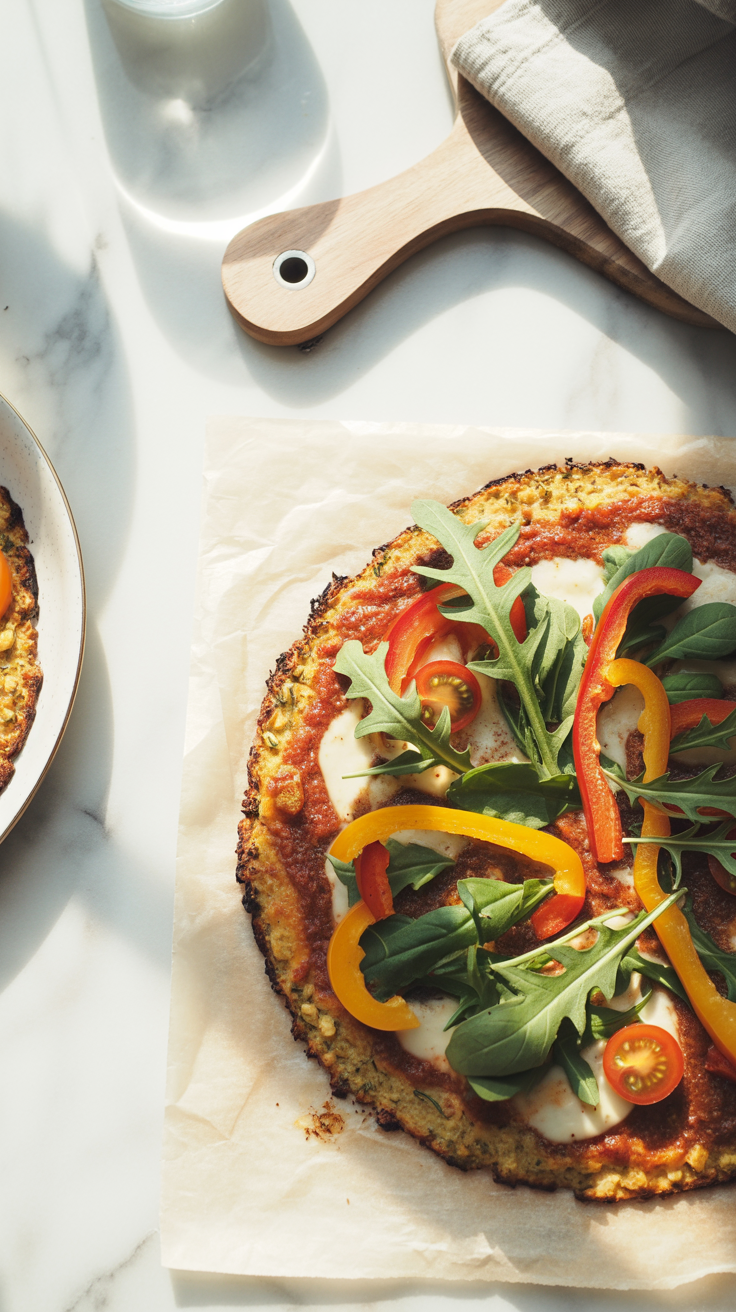
This post may contain affiliate links, which means I may earn a small commission if you make a purchase through these links — at no extra cost to you. Thank you for supporting the content I create here on the blog! You can read my full Disclosure Policy for more details.
The kitchen light at 7:00 PM has a way of exposing our best and worst intentions. On one hand, there’s the version of me who wants to be a Victorian gothic heroine, drifting through a dimly lit kitchen with a glass of red wine while roasting heritage carrots.
On the other hand, there is the reality: I’m tired, I’ve had three vegan matchas with oat milk today (which I am now convinced is the only thing keeping my molecules together), and I desperately need a meal that feels like a reward but doesn’t leave me in a carb-induced coma before the opening credits of The Golden Girls.
Enter the chicken crust pizza recipe with canned chicken.
If the phrase “canned chicken pizza” makes you pause, I hear you. It sounds like something a survivalist would eat while waiting for the world to end. But stay with me. This is the ultimate “lazy smart” glow-up.
It’s a zero-carb, high-protein miracle that, when executed with a few specific tricks, results in a crust so sturdy and crisp that you’ll forget it didn’t come from a sourdough starter named Bartholomew.
Quick Answer: The Best Canned Chicken Pizza Crust Recipe
For a crispy, sturdy pizza crust using canned chicken, the secret is removing as much moisture as possible before mixing. This method ensures a “flour-like” texture that bakes into a firm, sliceable base.
The Golden Ratio Mix:
- 12.5 oz can of chicken breast (drained, shredded, and dried)
- 1/2 cup finely grated Parmesan cheese (the “dusty” kind works best for structure)
- 1 large egg (the binder)
- Seasoning: 1/2 tsp garlic powder, 1/2 tsp dried oregano, and a pinch of red pepper flakes.
The 3-Step Success Method:
- Dehydrate the Chicken: Drain the canned chicken and spread it on a baking sheet lined with parchment paper. Bake at 350°F (175°C) for 10 minutes to dry it out.
- Combine and Shape: Mix the dried chicken, egg, cheese, and spices in a bowl. Press the mixture onto a fresh sheet of parchment paper into a 1/4-inch thick circle.
- The High-Heat Bake: Increase the oven to 400°F (200°C). Bake the crust for 15–20 minutes until the edges are golden brown. Flip the crust, add your toppings, and bake for an additional 5 minutes to melt the cheese.
Why Canned Chicken Pizza Crust Is the Ultimate Lifestyle Hack
We live in a world where “wellness” often feels like a full-time job. Between the 12-step skincare routines and the pressure to live a “slow, intentional life,” sometimes you just want a pizza that doesn’t make you feel like a balloon.
When I lived in London, I was obsessed with the idea of the “perfect” artisanal pizza—the kind with the charred, bubbly crust. But Barry (my annoyingly perfect British husband) and I eventually realized that our Tuesday nights didn’t need artisanal stress; they needed efficiency that tasted like a luxury.
Using canned chicken as a pizza base is the definition of slow living meeting modern reality. It’s shelf-stable, prep-free, and shockingly affordable. More importantly, it solves the protein problem. Most “healthy” pizzas are just cauliflower masquerading as bread, which usually leaves you hungry an hour later.
This? This is pure protein. It’s the “cheat code” for anyone trying to hit their macros without eating another plain chicken breast over the sink (which, full disclosure, I did yesterday because I couldn’t find a clean fork).
The Secret to a Crispy Chicken Pizza Crust (No Soggy Texture)
The number one complaint about chicken crust pizza recipe with canned chicken is the texture. If it’s wet, it’s not pizza; it’s a warm chicken salad. To avoid this, we have to talk about moisture. Canned chicken is packed in a brine that is essentially the enemy of a crispy crust.
There are three ways to handle this, but only one is the “lazy smart” winner:
- The Cheesecloth Squeeze: You put the chicken in a cloth and twist until your wrists ache. It’s effective, but it’s a lot of work and creates extra laundry.
- The Skillet Sauté: You toss the chicken in a dry pan over medium heat to cook off the water. Better, but it requires standing over a stove.
- The Pre-Bake (The Winner): By spreading the chicken on a pan and putting it in the oven while you prep your other ingredients, you’re using “passive time.” The heat evaporates the brine, leaving you with dry, flaky chicken bits that behave exactly like a dry ingredient.
When the chicken is dry, it bonds with the egg and the parmesan. The parmesan is key here—as it melts, the fats and proteins in the cheese create a lacy, browned structure (think of those crispy cheese edges on a grilled cheese sandwich). This is why I recommend the finely grated, shelf-stable parmesan. It has less moisture than fresh mozzarella and acts more like a “flour” to bind the chicken fibers together.
Is Chicken Crust Pizza Really Low Carb and High Protein?
Let’s talk numbers, because this is where the low carb chicken crust pizza really shines. A standard wheat-based pizza crust can easily run you 80–100 grams of carbohydrates. This chicken-based version? It’s essentially zero carbs (depending on your spices and cheese choice).
By the time you add your mozzarella and maybe a few slices of pepperoni, you are looking at a meal that provides nearly 70 grams of protein. It’s the kind of meal that makes you feel “glowy” and energized rather than weighed down. It’s also incredibly forgiving. Unlike traditional dough, there is no kneading, no rising, and no worrying about the humidity in your kitchen. It’s a literal mix-and-press situation.
Why Parmesan Cheese Is Essential for Chicken Crust Pizza
If you’re wondering if the parmesan is just a suggestion, I have some news: it’s the structural glue holding this entire operation together. Without it, you aren’t making a pizza; you’re making a warm chicken pancake (which… no).
In this “lazy smart” chemistry experiment, the cheese isn’t just for that salty, umami hit. While the egg acts as the binder, the parmesan is what creates the “snap.” As it melts into the chicken fibers, it forms a lacy, browned lattice that mimics the crunch of a traditional thin-crust pizza.
Two things to keep in mind for the best results:
- The “Shaky” Kind is King: This is the one time you actually want the shelf-stable, powdered parmesan in the green shaker. It has less moisture than fresh-off-the-block parm, which helps the crust dehydrate and crisp up rather than becoming an oily mess.
- The Dairy-Free Dilemma: If you’re leaning into the vegan life like I usually do with my matchas, you can swap in a firm, finely grated vegan parmesan. Just avoid the “mozzarella shreds” for the crust itself—they are designed to stay soft and melty, which is the literal opposite of the structural integrity we need here.
Basically, if you skip the cheese, the crust won’t survive the flip. And since the flip is the secret to a slice you can actually hold with your hands, the cheese is a non-negotiable guest at this dinner party.
The Ultimate Chicken Crust Pizza Recipe With Canned Chicken
| Prep Time | Cook Time | Servings | Protein |
| 5 mins | 30 mins | 1-2 | ~65g |
Ingredients
- Chicken Base: 12.5 oz can chicken breast (drained).
- Binder: 1 large egg, lightly beaten.
- Structure: 1/2 cup grated Parmesan cheese (the dry, “shaky” kind).
- Flavor: 1/2 tsp garlic powder, 1/2 tsp dried oregano, 1/4 tsp black pepper.
- Toppings (Optional): Sugar-free marinara, shredded mozzarella, fresh basil.
Instructions
- The Dehydration Step: Preheat your oven to 350°F (175°C). Line a baking sheet with parchment paper. Shred the drained canned chicken and spread it into an even layer. Bake for 10 minutes.
- The Mix: Remove the chicken and let it cool for a minute. Increase oven heat to 400°F (200°C). In a medium bowl, combine the dried chicken, egg, parmesan, and spices until a “dough” forms.
- The Shape: Place the mixture on a fresh sheet of parchment paper. Use a second piece of parchment on top to press the chicken into a 1/4 inch thick circle or rectangle.
- The First Bake: Bake the crust for 15–20 minutes. You are looking for deep golden edges and a firm center.
- The Flip & Top: Carefully flip the crust over. Add a light layer of sauce and your favorite toppings.
- The Final Melt: Return to the oven for 5–7 minutes until the cheese is bubbly and slightly browned.
How Do You Fix a Falling-Apart Chicken Crust?
If your crust is crumbling, it’s almost always a binding issue. This usually happens for one of two reasons:
- The Egg was too small: If your “dough” feels dry and sandy rather than tacky, add another egg or a splash of egg whites. You want it to hold its shape when you press it down.
- The Heat wasn’t high enough: You need that initial 400°F (200°C) blast to “set” the cheese and egg. If the oven is too cool, the fat just leaks out and the crust stays soft.
In the early days of my chicken-crust journey, I was too scared to flip the crust. I’d just top it and bake it. BIG MISTAKE. Flipping the crust before adding toppings ensures that the “bottom” (which is now the top) gets direct heat, sealing in the texture so it can hold the weight of your sauce.
Flavor Profiles: Moving Beyond Basic Pepperoni
Once you’ve mastered the canned chicken pizza base, you can start to treat it like a canvas. Because the crust itself is savory and salty, it pairs beautifully with acidic or sweet-leaning toppings.
- The “Sunday Reset” Veggie: Thinly sliced zucchini, bell peppers, and a sprinkle of feta. (This pairs perfectly with a quiet evening and a candle that smells like an old library).
- The BBQ Chicken (Meta Pizza): Use a low-sugar BBQ sauce as the base, add red onions, and cilantro. It’s chicken on chicken, and it’s glorious.
- The Pesto Glow-Up: A thick layer of basil pesto, sun-dried tomatoes, and goat cheese. This feels very “London café” and looks incredibly expensive on a plate.
Why Do I Feel Better Eating This?
There’s an emotional layer to this recipe that I think we don’t talk about enough. Traditional “diet” food often feels like a punishment—a sad salad or a steamed piece of fish. But pizza is a communal, joyful food. By finding a way to make it fit into a high-protein, low-carb lifestyle, you’re removing the “guilt” cycle.
It’s about choosing fewer, better things. Instead of a cheap, greasy delivery pizza that makes your skin break out and your energy dip, you’re making something intentional. It’s that slow living thread again; taking twenty minutes to prep a meal that actually respects your body’s needs. Plus, there’s something very satisfying about the “crunch” of a well-baked chicken crust. It’s sensory, it’s salty, and it’s deeply comforting (very Golden Girls energy, honestly).
Common Mistakes to Avoid (The “Learn from My Chaos” List)
- Using a Silicone Mat: While they are great for cookies, they tend to trap moisture under the chicken crust. Stick to parchment paper for the crispest results.
- Too Much Sauce: This is the most common “mistake awareness” moment. A chicken crust doesn’t have the “thirst” of bread dough. If you drown it in sauce, it will lose its structural integrity. Use about half of what you think you need.
- Forgetting the Seasoning: The chicken and parmesan are salty, but they need the “pizza” notes. Don’t skimp on the dried oregano and garlic powder. Sometimes I even add a little drama with some fennel seeds to give it an Italian sausage vibe.
One Thing to Try
Tonight, take that can of chicken out of the pantry. Even if you aren’t ready to go full “pizza mode,” just try the pre-bake dehydration step.
Drain one can of chicken, spread it on parchment paper, and bake it at 350°F for 10 minutes. Observe how the texture changes from wet and “canned” to light, airy, and flaky. Once you see that transformation, the idea of turning it into a pizza crust won’t feel like a weird internet experiment—it will feel like the smartest thing you’ve done all week.
You’ve got the protein, you’ve got the “lazy smart” plan, and you’ve got the permission to eat it right off the pan if you want.
Frequently Asked Questions About Chicken Crust Pizza Recipe With Canned Chicken
Does Chicken Crust Pizza Recipe With Canned Chicken Taste Like Chicken
It tastes like a savory, toasted flatbread rather than a bucket of nuggets. Once the parmesan and spices crisp up in the oven, the flavor mellows into a salty, neutral base that holds toppings perfectly (unlike cauliflower, which always smells like… cauliflower).
Why Is My Canned Chicken Pizza Crust Soggy
Moisture is the literal enemy of a crispy crust, so you likely skipped the dehydration step. Canned chicken is packed in brine, and if you don’t bake that liquid off first, you end up with a warm chicken salad instead of a sliceable pizza.
Is Canned Chicken Pizza Actually Low Carb
Yes, this recipe is essentially zero-carb because it swaps traditional flour for lean protein and aged cheese. It is a metabolic dream for anyone trying to hit high protein goals without the heavy “bread coma” that usually follows a standard Tuesday night delivery.
How Do I Make Chicken Crust Pizza Not Fall Apart
The secret to a sturdy crust is the egg and the “shaky” parmesan cheese acting as a biological glue. If it’s crumbling, your egg might have been too small or you didn’t press the mixture thin enough (aim for 1/4 inch) to let it set.
Can You Freeze Canned Chicken Pizza Crust
You can absolutely freeze the crust after the first bake but before you add the toppings. Just wrap it tightly in parchment paper so it doesn’t get freezer burn, which is a vibe-killer for any future “lazy smart” dinner plans you have.
What Is The Best Canned Chicken For Pizza Crust
Look for canned chicken breast in water rather than oil to keep the texture light and flaky. It’s the most shelf-stable, prep-free way to get a meal on the table when you have zero energy to chop a single thing (which… relatable).
Do I Need To Flip My Chicken Crust Pizza While Baking
Flipping the crust before adding your sauce is the ONLY way to ensure the bottom stays crisp. It allows the heat to seal the side that was touching the parchment, creating a structural barrier so your marinara doesn’t turn the whole thing into a mess.
Is Chicken Crust Pizza Healthy For Weight Loss
This crust is an incredible tool for weight loss because it prioritizes high protein, which keeps you full much longer than dough. It’s the ultimate “cheat code” for feeling like you’re indulging while actually giving your body the fuel it needs to function.