
The Case for a Phone-Free Bedroom
This post may contain affiliate links, which means I may earn a small commission if you make a purchase through these links — at no extra cost to you. Thank you for supporting the content I create here on the blog! You can read my full Disclosure Policy for more details.
I didn’t realize how much space my phone took up until I removed it from my nightstand. Not just physical space, but mental space. The checking, the refreshing, the lure of “just one more thing.”
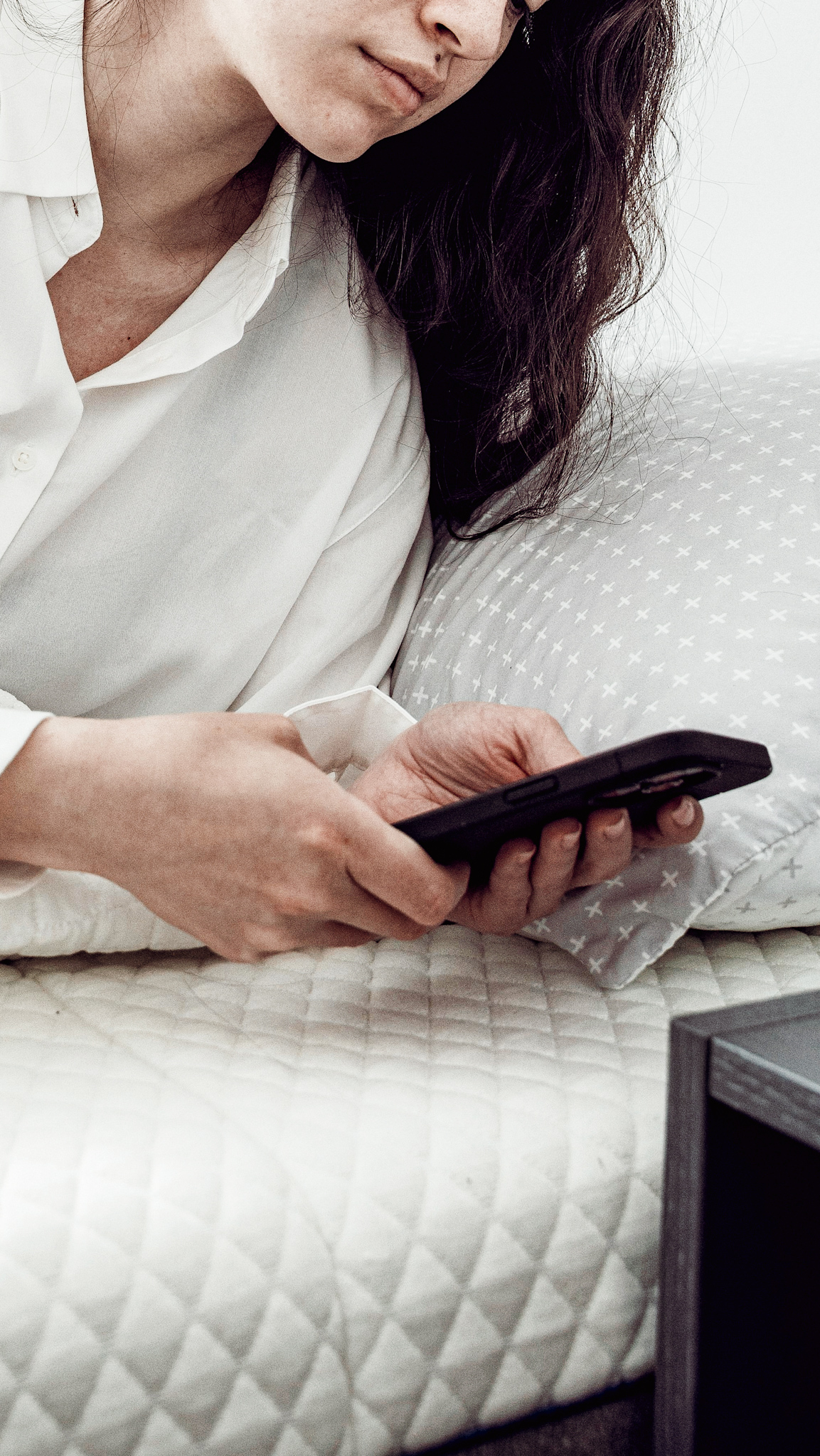
I used to fall asleep with my screen glowing inches from my face. I’d tell myself it was just for a few minutes — one message, one scroll, one story — until I’d end up overstimulated and wide awake long past midnight.
The truth is, most of us don’t know what true rest feels like anymore. We think we’re unwinding when we’re really distracting.
This isn’t a story about discipline or digital minimalism. It’s about remembering what it feels like to be still. To fall asleep in real darkness, and to wake up to real light.
Here’s why I stopped keeping my phone in my bedroom… and what changed when I finally did.
1. The Quiet That Comes After the Noise
The first night my phone slept in another room, I panicked a little.
The silence felt… loud. There was nothing to scroll, no one to message, no bright distraction to fill the in-between.
But then, something unexpected happened — I noticed how deeply my body relaxed.
Without the glow of notifications and unfinished conversations, my brain stopped searching for input. The air felt softer. My thoughts slowed. I fell asleep faster than I had in months.
2. Why Phones Disrupt Rest
We like to think scrolling helps us relax, but our brains disagree.
Every notification or post gives us a tiny dopamine hit — the same chemical that keeps us alert. Even if what we’re looking at feels calm or “mindless,” our minds are still active, processing, comparing, reacting.
And then there’s the light. Blue light tells our brains it’s still daytime, suppressing melatonin and delaying our sleep cycle. That’s why even five minutes of screen time before bed can push true rest further away.
Your phone doesn’t mean to make you anxious — but it does. It’s designed to keep you alert.
So, creating a phone-free bedroom doesn’t just protect your sleep. It protects your energy.
3. The Joy of Gentle Mornings
When you remove your phone from your bedroom, your mornings change, too.
Instead of waking up to a screen full of notifications, you wake up to yourself.
I started using this sunrise alarm clock — it fills the room with soft, warm light instead of that jarring phone buzz. The first few mornings, I just sat there in bed, quietly, enjoying the beginnings of a fresh, new day.
No immediate emails. No news. No comparison.
It’s strange how luxurious that silence feels, when you realize how much noise you were waking up to before.
4. Building a Bedroom for Rest
Once I moved my phone out, I started caring more about how my bedroom felt.
The space began to change. It was no longer a workspace, a social feed, a “catch-all” zone for anxiety. It was a place for rest.
These days, my nightstand holds a book I love, a soft lamp, and a diffuser. I read a few pages before I close my eyes, and it’s the calmest I’ve ever felt before bed.
Sometimes I’ll pull up my weighted blanket, take a few deep breaths, and just listen to the stillness, or the low hum of my ceiling fan, or the rain outside my window…
It’s so grounding to end the day without a screen between you and your life.
5. The Ripple Effect of Less Stimulation
Here’s what no one tells you about creating a phone-free bedroom: It doesn’t just change your nights — it changes your days.
I started noticing how much lighter I felt in the morning. How my thoughts weren’t as scattered. How I was more present while making tea, journaling, or stretching.
Without my phone being the first and last thing I saw each day, my nervous system finally started to settle. My mind wasn’t constantly bracing for the next notification.
And the best part? I started sleeping through the night again.
6. A Few Gentle Ways to Start
Begin small:
- Charge your phone outside the bedroom. Try leaving it in the kitchen or living room.
- Get a real alarm clock. A gentle one with light or sound — like the sunrise one I use.
- Keep a book nearby. Even five minutes of reading calms your mind more than scrolling.
- Add sensory comfort. A diffuser, candle, or cozy blanket helps your body feel safe and settled.
- Give yourself grace. The urge to reach for your phone is habit, not failure.
Each night you choose presence over distraction, you’re building a deeper relationship with yourself — and that’s the kind of peace no algorithm can give.
The Takeaway
Creating a phone-free bedroom is about remembering what real rest feels like.
It’s the quiet hum of the diffuser, the slow breath under your blanket, the way the morning light finds you before the world does.
It’s not just better sleep — it’s softness. Awareness. Calm.
Sometimes, the most powerful form of self-care isn’t something you add. It’s something you finally let go of.
FAQ: The Case for a Phone-Free Bedroom
1. Why should I keep my phone out of the bedroom?
Phones overstimulate your brain with blue light and notifications, delaying rest and increasing anxiety. A phone-free space supports deep, uninterrupted sleep and calmer mornings.
2. How can I wake up without my phone alarm?
I use a sunrise alarm clock — it wakes me gently with soft light instead of harsh sound or instant notifications.
3. What can I do instead of scrolling before bed?
I usually diffuse lavender oil, cozy up under my favorite weighted blanket, and read a few pages from inspiring books like The Things You Can See Only When You Slow Down.
4. What if I need my phone nearby for emergencies?
Keep it in the same room but out of reach — maybe across the room on a shelf or dresser. The key is distance, not deprivation.
5. Will this actually help me sleep better?
Absolutely. You’ll fall asleep faster, wake up more rested, and feel more mentally clear. Your nervous system finally gets to rest, too.